


Take a deep breath. Now imagine that the air you just inhaled contains formaldehyde from your new furniture, benzene from paint fumes, and carbon monoxide from traffic outside. Sounds alarming? It should—because this is the reality for millions of Indian households today.
We spend nearly 90% of our time indoors, yet indoor air can be 2 to 5 times more polluted than outdoor air. In cities like Delhi, Mumbai, Kolkata, and Bangalore, where outdoor pollution often makes headlines, what’s happening inside our homes quietly goes unnoticed.
The sources are everywhere: synthetic materials in sofas and curtains, cleaning products under the kitchen sink, air fresheners in the bathroom, and even that fresh coat of paint in your living room. These everyday items release invisible toxins called Volatile Organic Compounds (VOCs) that accumulate in closed spaces—especially in air-conditioned homes where ventilation is minimal.
The health impact is real. Prolonged exposure to poor indoor air quality leads to headaches, fatigue, respiratory issues, and in severe cases, chronic illnesses. Children and elderly family members are particularly vulnerable.
But here’s the good news: nature offers a beautiful, low-cost solution. Certain houseplants act as natural air filters, absorbing harmful chemicals and releasing fresh oxygen—transforming your living space into a healthier, more breathable environment.
This isn’t just folklore. NASA’s Clean Air Study scientifically proved that specific plants can remove up to 87% of indoor toxins within 24 hours. And the best part? These green companions don’t just purify—they also add life, calm your mind, and reconnect you with nature, even in the middle of urban chaos.
Whether you live in a compact Mumbai apartment or a spacious Bangalore bungalow, bringing the right plants home could be one of the simplest yet most powerful decisions for your family’s wellbeing.
Let’s explore which plants truly work—and how you can turn your home into a naturally purified sanctuary.
What Does "Air-Purifying Plant" Actually Mean?
You’ve probably heard the term “air-purifying plant” thrown around in gardening blogs, Instagram posts, and nursery catalogs. But what does it actually mean? Is it just marketing hype, or is there real science behind it?
Let’s clear the air—literally and figuratively.
How Plants Naturally Clean Indoor Air
Air-purifying plants work through a process called phytoremediation. In simple terms, these green allies absorb harmful chemicals from the air through tiny pores on their leaves called stomata. Once inside, the plant either breaks down these toxins or stores them safely in their tissues and soil.
But that’s not all. Through photosynthesis, plants also take in carbon dioxide and release oxygen—making the air fresher and more breathable. Some varieties even release moisture into the air, naturally increasing humidity levels, which is especially helpful in dry, air-conditioned rooms.
What Pollutants Do These Plants Remove?
Here’s where it gets interesting. Common household items release toxic compounds that most of us aren’t even aware of:
- Formaldehyde – Found in plywood, particleboard, and synthetic fabrics
- Benzene – Present in detergents, paints, and tobacco smoke
- Trichloroethylene – Released by varnishes and adhesives
- Xylene and Toluene – Common in printers, rubber, and leather products
- Ammonia – Found in cleaning products and floor waxes
Certain plants have been proven to absorb and neutralize these specific chemicals. That’s what makes them “air-purifying.”
Common Misconceptions You Should Know
Myth #1: One plant will purify your entire home.
Reality: While plants do purify air, one small pot won’t magically transform a 3BHK apartment. You need multiple plants strategically placed for noticeable results.
Myth #2: All plants purify air equally.
Reality: Not all greenery is created equal. Some species are far more effective at removing toxins than others. A Snake Plant, for instance, outperforms a decorative Croton when it comes to air filtration.
Myth #3: Plants release oxygen 24/7.
Reality: Most plants release oxygen during the day through photosynthesis but absorb oxygen at night. However, a few unique species like Snake Plants and Aloe Vera continue releasing oxygen even after sunset—making them ideal for bedrooms.
Myth #4: Plastic plants work the same way.
Reality: Absolutely not. The purification process happens through living biological functions—something artificial plants simply cannot replicate.
So, Do They Really Work?
Yes—but with realistic expectations. Plants won’t replace air purifiers or proper ventilation, but they complement them beautifully. Think of them as gentle, ongoing filters that improve air quality gradually while adding natural beauty to your space.
The key is choosing the right plants for your home and caring for them properly. When you do, you’re not just decorating—you’re actively investing in cleaner, healthier indoor air.
How Scientists Measure Air Purification in Plants
Before you rush to fill your home with greenery, it helps to understand the science behind why certain plants earn their “air-purifying” reputation. How do researchers actually test and measure a plant’s ability to clean air? Let’s dive into the methods that separate fact from fiction.
The Landmark NASA Clean Air Study
The most influential research on air-purifying plants came from an unexpected source: NASA. In 1989, NASA scientist Dr. B.C. Wolverton conducted a groundbreaking study to find ways of cleaning air inside space stations—enclosed environments where astronauts couldn’t simply open a window.
The study tested 19 common houseplants in sealed chambers filled with specific toxins. Over 24 hours, researchers measured how much of each pollutant the plants absorbed. The results were remarkable: some plants removed up to 87% of harmful chemicals from the air.
NASA evaluated plants based on their ability to filter three major indoor pollutants:
- Formaldehyde
- Benzene
- Trichloroethylene
This study laid the foundation for our modern understanding of botanical air filtration and remains the gold standard reference today.
Key Metrics Scientists Use
- VOC Removal Rate
Volatile Organic Compounds (VOCs) are gaseous pollutants released by everyday household items. Scientists measure how many micrograms of VOCs a plant can absorb per hour. Plants with larger leaf surface areas and more stomata (breathing pores) typically show higher removal rates.
- Oxygen Production
Through photosynthesis, plants convert carbon dioxide into oxygen. Researchers measure oxygen output in milliliters per hour per square meter of leaf area. Species with dense foliage naturally produce more oxygen.
- Transpiration & Humidity Control
Plants release water vapor through their leaves—a process called transpiration. Scientists measure this to understand how plants influence indoor humidity levels, which affects both air quality and respiratory comfort.
- Microbial Activity in Soil
Here’s something fascinating: it’s not just the leaves doing the work. Beneficial microbes living in the plant’s root zone and soil also break down airborne toxins. Advanced studies now measure microbial populations in potting soil as part of the purification equation.
Real-World vs. Lab Conditions
Here’s an important caveat: most studies test plants in controlled, sealed chambers—very different from your living room. In real homes with doors opening, fans running, and people moving around, air circulation patterns change constantly.
Recent research suggests that while plants do purify air, you’d need a significant number—roughly one plant per 10 square feet—to match the dramatic results seen in laboratory settings. This doesn’t diminish their value; it simply means expectations should be realistic.
Indian Research Contributions
Indian institutions like TERI (The Energy and Resources Institute) have also studied tropical plants suited to our climate. Their research focuses on species that thrive in high humidity and temperatures while maintaining strong purification capabilities—making them ideal for Indian homes.
What Makes a Plant Highly Effective?
Based on scientific measurements, the most effective air-purifying plants share these traits:
- Large leaf surface area – More space to absorb toxins
- High transpiration rate – Better humidity control
- Dense root systems – More microbial filtration
- Low maintenance needs – Consistent performance even with minimal care
- 24-hour oxygen release – Especially valuable for bedrooms
Understanding these scientific principles helps you make informed choices rather than simply following trends. When you know why a Snake Plant outperforms a Pothos, you can select plants that genuinely improve your home’s air quality—not just its Instagram appeal.
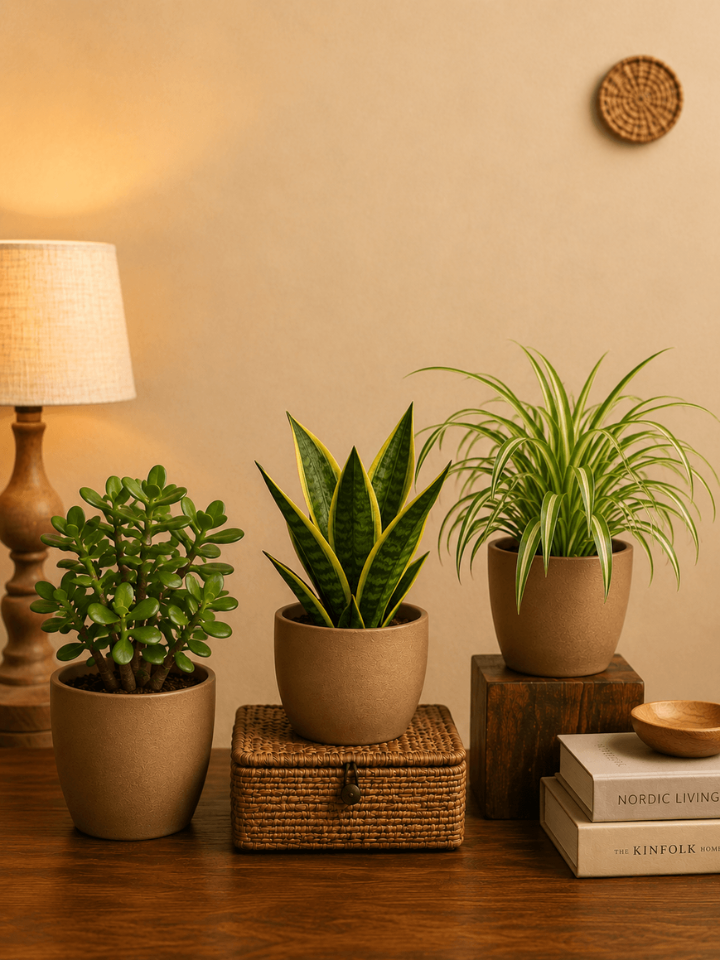

Air Purifying Indoor Plants Combo
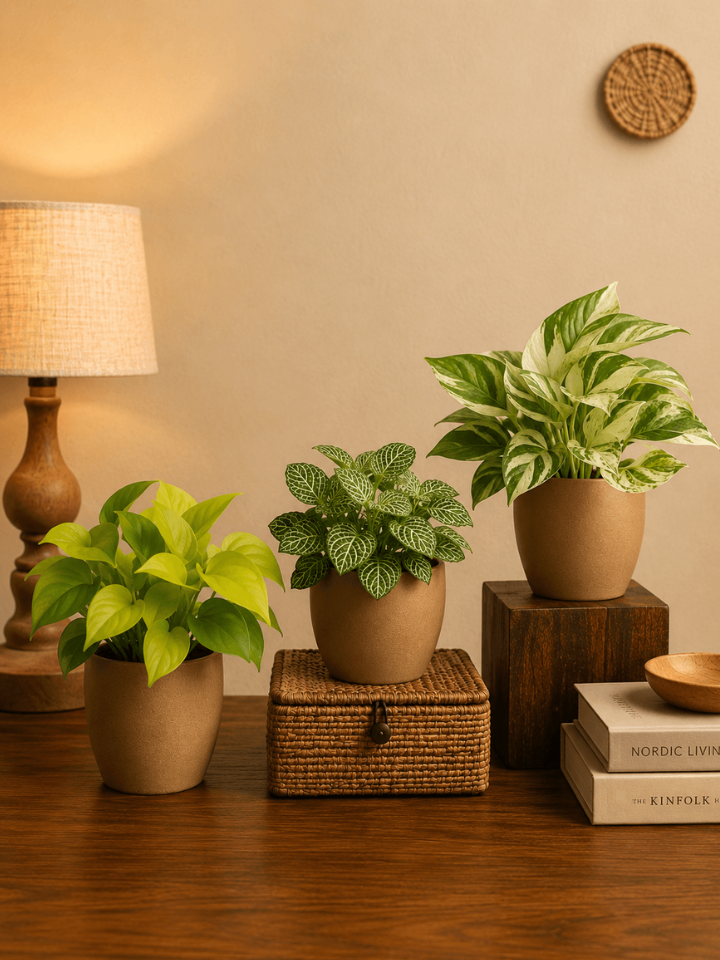

Combo of 3 Minimalist Plant Set
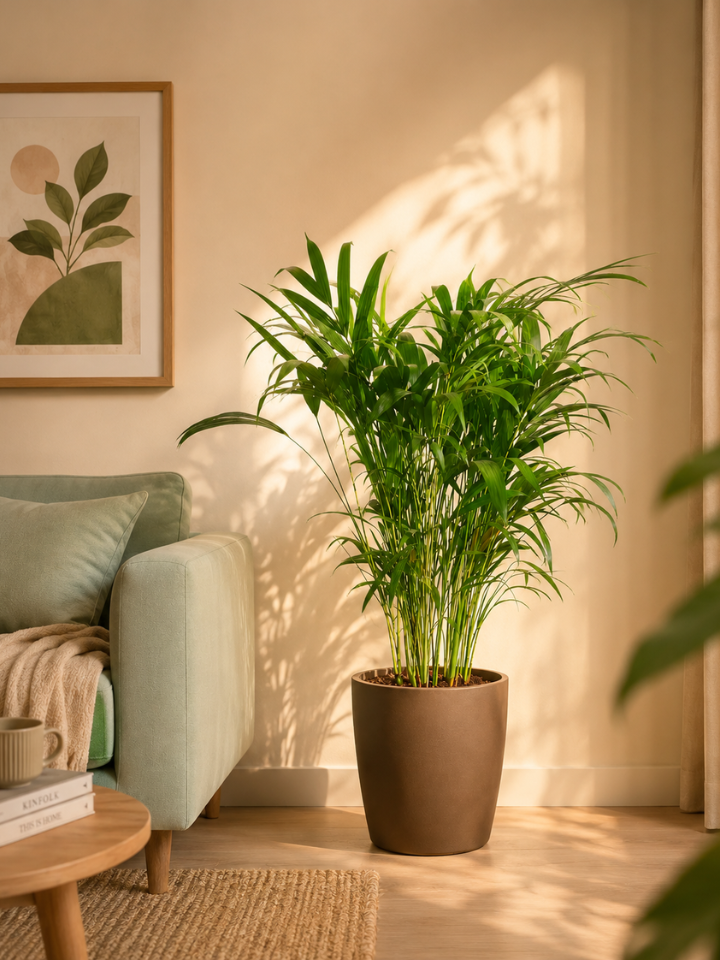
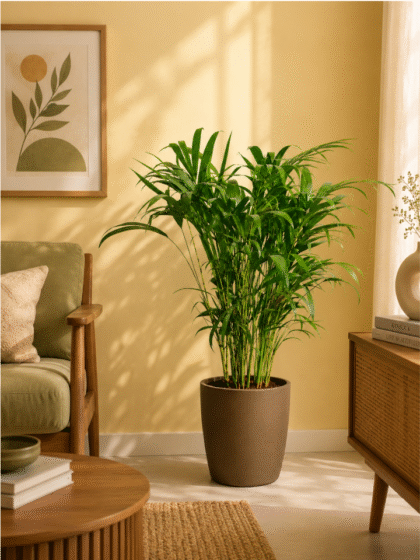
Areca Palm Plant (XL)
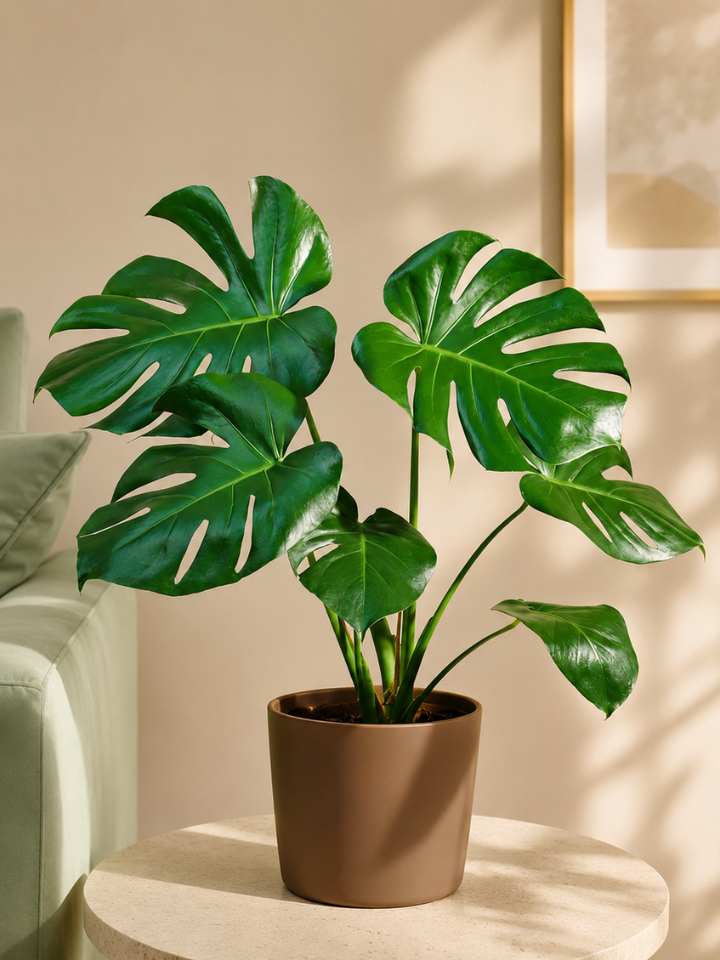
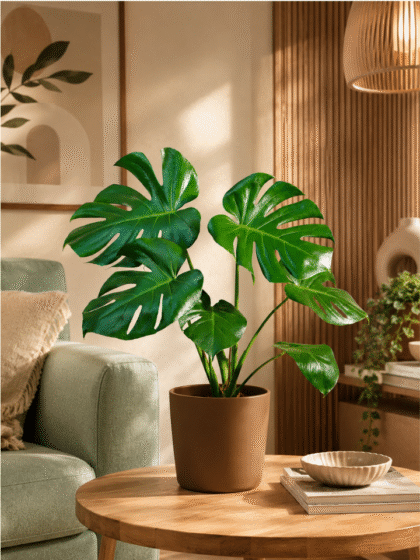
Monstera Deliciosa Plant (XL)
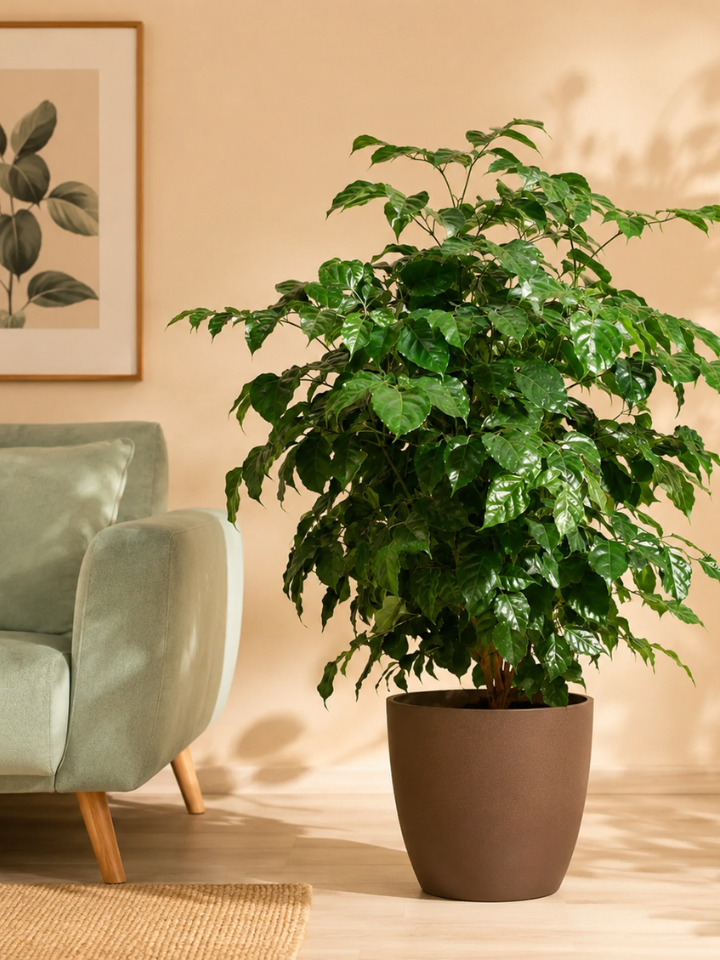
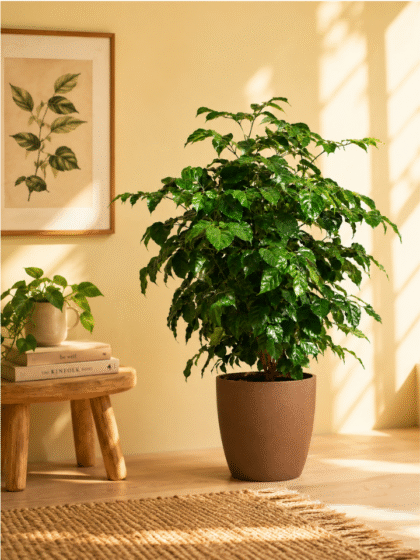
China Doll Plant (XL)
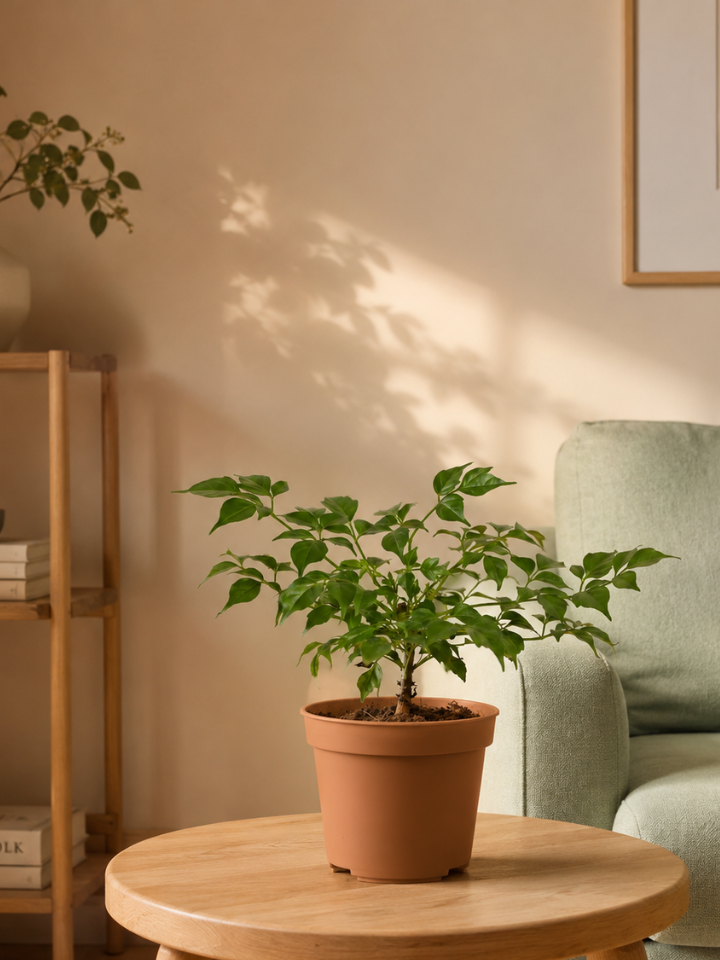
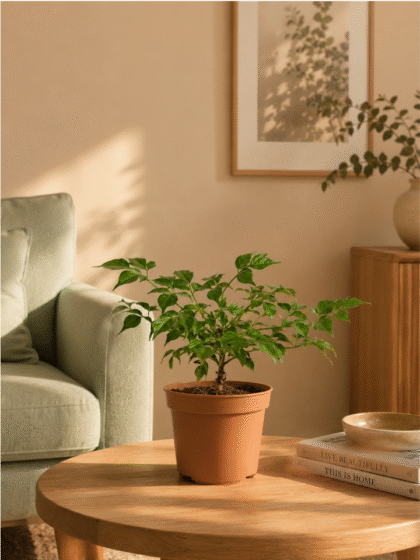
China Doll Plant (Small)

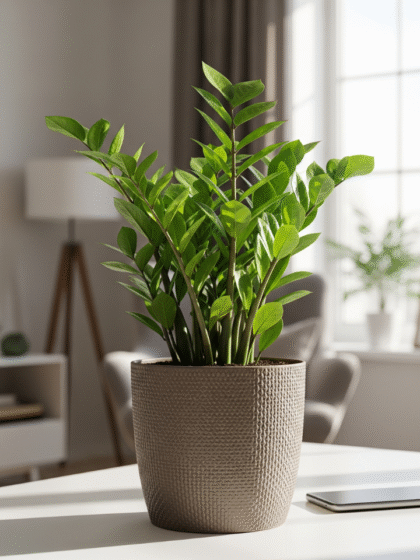
Black ZZ

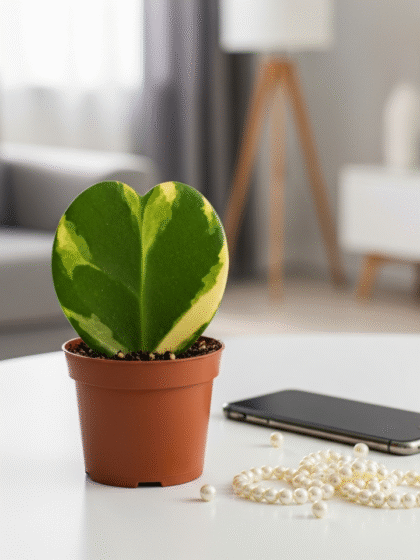
Heart Hoya Plant
Which Plant Purifies Air the Best?
If you’re looking for a straight answer without scrolling through pages of information, here it is:
The Snake Plant (Sansevieria) is widely considered the best overall air-purifying plant for Indian homes.
Here’s why it tops the list:
✓ Removes multiple toxins – Formaldehyde, benzene, xylene, and toluene
✓ Releases oxygen at night – Unlike most plants, it continues purifying air 24/7
✓ Thrives on neglect – Perfect for beginners and busy lifestyles
✓ Adapts to Indian climate – Handles heat, humidity, and low light conditions
✓ NASA-approved – Featured prominently in the Clean Air Study
However, the “best” plant for you depends on your specific needs:
- For bedrooms: Snake Plant or Aloe Vera (both release oxygen at night)
- For living rooms: Areca Palm (removes the most toxins overall and adds humidity)
- For offices: Spider Plant (low maintenance, fast-growing, hard to kill)
- For small spaces: Money Plant (compact, versatile, and effective against formaldehyde)
- For maximum purification: Peace Lily (removes all five major toxins tested by NASA)
The Top 3 Champions
If you want the most scientifically-backed results, these three plants consistently rank highest across multiple studies:
- Areca Palm – Removes the highest volume of toxins and releases the most moisture
2. Snake Plant – Best all-rounder with unique night-time oxygen production
3. Peace Lily – Filters the widest range of pollutants including ammonia
Quick Buying Tip for Indian Shoppers
Don’t just buy one plant and expect miracles. Research suggests placing 2-3 medium-sized plants per 100 square feet for noticeable air quality improvement. For a typical 10×10 bedroom, that means at least 2-3 plants working together.
At Plantaeroot, we offer all these scientifically-proven varieties—from the hardy Snake Plant to the elegant Peace Lily—each handpicked and shipped with care across India.
While Snake Plant takes the crown for versatility and effectiveness, combining multiple species creates a natural filtration system that keeps your indoor air fresh, clean, and toxin-free year-round.
Now let’s explore each of these champion plants in detail so you can choose the perfect green team for your home.
Top Air-Purifying Plants Ranked by Effectiveness
Not all plants are created equal when it comes to cleaning your indoor air. Based on NASA research, independent studies, and real-world performance in Indian homes, here are the top air-purifying champions—ranked by their effectiveness, ease of care, and suitability for our climate.
- Snake Plant (Sansevieria)
Toxins Removed: Formaldehyde, benzene, xylene, toluene, nitrogen oxides
Special Ability: Releases oxygen at night (rare among houseplants)
Best For: Bedrooms, low-light corners, forgetful plant parents
The Snake Plant is the undisputed champion of air purification. What makes it extraordinary is its unique CAM (Crassulacean Acid Metabolism) photosynthesis process—meaning it absorbs carbon dioxide and releases oxygen even after the sun goes down.
Why it works so well: Those tall, sword-like leaves have a large surface area packed with stomata that actively filter toxins. The plant is also incredibly efficient at converting CO2 into oxygen, making any room feel fresher.
Care level: Almost indestructible. It thrives in low light, tolerates irregular watering, and handles the heat and humidity of Indian summers without complaint. Even if you forget to water it for weeks, it survives.
Indian home advantage: Perfect for air-conditioned bedrooms where ventilation is limited. Place one on your bedside table or in a corner, and let it work its magic while you sleep.
- Areca Palm
Toxins Removed: Formaldehyde, xylene, toluene
Special Ability: Highest transpiration rate (natural humidifier)
Best For: Living rooms, large spaces, dry climates
If you want a plant that removes the most toxins per leaf area, the Areca Palm is your answer. NASA rated it as one of the best all-around air purifiers, and it’s particularly effective at removing formaldehyde—commonly found in pressed wood furniture and flooring.
Why it works so well: With its lush, feathery fronds, the Areca Palm has an enormous leaf surface area. It also releases significant moisture into the air, naturally increasing humidity—a blessing in air-conditioned homes where dry air causes skin irritation and respiratory discomfort.
Care level: Moderate. It needs bright, indirect sunlight and regular watering. The soil should stay slightly moist but never waterlogged. In Indian homes, it adapts beautifully to balconies and well-lit living rooms.
Indian home advantage: Thrives in tropical humidity, making it ideal for coastal cities like Mumbai, Chennai, and Kolkata. A single mature Areca Palm can purify and humidify a 10×10 room effectively.
At Plantaeroot, our Areca Palms arrive healthy and acclimatized, ready to transform your living space.
- Peace Lily
Toxins Removed: Formaldehyde, benzene, trichloroethylene, xylene, ammonia
Special Ability: Removes the widest range of pollutants
Best For: Bathrooms, kitchens, spaces with chemical cleaners
The Peace Lily is a filtration powerhouse. It’s one of the few plants proven to remove ammonia—a common ingredient in cleaning products, floor waxes, and fertilizers. If you use a lot of household cleaners, this plant is essential.
Why it works so well: Those elegant white flowers aren’t just decorative—they’re part of an efficient toxin-absorption system. The plant draws pollutants through its roots and breaks them down with the help of soil microbes.
Care level: Easy to moderate. Peace Lilies prefer low to medium light and will even tell you when they’re thirsty—the leaves droop dramatically, then perk up within hours of watering.
Indian home advantage: Loves humidity, making it perfect for Indian bathrooms and kitchens. Place it near a window with filtered light, and it will reward you with beautiful blooms and cleaner air.
Note: Mildly toxic to pets if ingested, so keep it out of reach of curious cats and dogs.
- Spider Plant
Toxins Removed: Formaldehyde, xylene, carbon monoxide
Special Ability: Fast-growing and nearly impossible to kill
Best For: Beginners, hanging baskets, offices
The Spider Plant is the ultimate low-maintenance air purifier. NASA found it removes up to 90% of formaldehyde from sealed environments within 24 hours. It’s also one of the few plants effective at filtering carbon monoxide—a serious concern in urban Indian homes near busy roads.
Why it works so well: Those cascading, ribbon-like leaves create a large surface area for absorption. The plant also produces “babies” (offshoots) that you can propagate endlessly, creating a whole air-purifying network for free.
Care level: Beginner-friendly. Tolerates neglect, inconsistent watering, and varying light conditions. Grows rapidly with minimal care.
Indian home advantage: Adapts to both indoor and semi-outdoor conditions. Hang it in a balcony corner or above a bookshelf—it looks beautiful while quietly cleaning your air.
- Aloe Vera
Toxins Removed: Formaldehyde, benzene
Special Ability: Medicinal gel + night oxygen release
Best For: Kitchens, bedrooms, sunny windowsills
Aloe Vera isn’t just a skin-soothing wonder—it’s also an effective air purifier. Like the Snake Plant, it releases oxygen at night, making it ideal for bedrooms. Plus, it acts as an air quality monitor: brown spots on the leaves indicate high levels of harmful chemicals in your space.
Why it works so well: Those thick, succulent leaves store water and nutrients while actively filtering toxins. The gel inside is a bonus—use it for minor burns, cuts, and skin care.
Care level: Very easy. Needs bright, indirect sunlight and minimal watering. Overwatering is the only real risk, as it can cause root rot.
Indian home advantage: Thrives in hot, sunny climates. Perfect for kitchen windowsills where it can absorb cooking fumes while staying within arm’s reach for medicinal use.
Available at Plantaeroot in compact sizes, our Aloe Vera plants are healthy, fresh, and ready to serve double duty in your home.
- Money Plant
Toxins Removed: Formaldehyde, benzene, xylene
Special Ability: Versatile placement (climbing, trailing, or potted)
Best For: Small apartments, offices, low-light areas
The Money Plant is a household favorite across India—and for good reason. Beyond its reputation for bringing prosperity, it’s a scientifically-backed air purifier that adapts to almost any indoor condition.
Why it works so well: Its heart-shaped leaves efficiently absorb airborne toxins, especially formaldehyde from furniture and carpets. The plant grows quickly, creating more leaf surface area for continuous filtration.
Care level: Extremely easy. Grows in water or soil, tolerates low light, and rarely complains. Perfect for apartments with limited natural light.
Indian home advantage: Culturally significant and scientifically effective—a rare combination. Train it to climb walls, let it trail from hanging pots, or keep it compact on a desk. At Plantaeroot, we offer multiple varieties including Golden Money Plant, Variegated Money Plant, and N’Joy Money Plant.
Honorable Mentions
While the above six are the top performers, these plants also deserve recognition:
- Boston Fern – Excellent humidity booster and formaldehyde remover (needs consistent moisture)
- Rubber Plant – Removes toxins and thrives in Indian heat (easy care)
- Bamboo Palm – Great for corners and offices (prefers bright, indirect light)
Which One Should You Choose?
For maximum purification: Get at least one from the top three (Snake Plant, Areca Palm, Peace Lily)
For bedrooms: Snake Plant or Aloe Vera (night oxygen release)
For beginners: Spider Plant or Money Plant (impossible to kill)
For style + substance: Peace Lily or Areca Palm (beautiful and effective)
Remember, combining multiple species creates a more comprehensive filtration system. A bedroom with a Snake Plant, living room with an Areca Palm, and bathroom with a Peace Lily gives you round-the-clock, multi-toxin protection.
At Plantaeroot, all these champions are available with free shipping on orders above ₹999. Each plant is handpicked, packed with care, and delivered fresh to your doorstep across India.
Let’s create your personal air-purifying sanctuary—one plant at a time.
Best Indoor Plants for Removing Common Indoor Toxins
Your home should be your safe haven—but hidden within everyday items are invisible pollutants that can compromise your health. From the formaldehyde in your sofa to the benzene in your detergent, these toxins accumulate in closed spaces. The good news? Specific plants target specific chemicals. Here’s your toxin-by-toxin guide to choosing the right botanical defenders.
Formaldehyde: The Most Common Indoor Villain
Found in: Plywood, particleboard, pressed wood furniture, carpets, curtains, paper products, synthetic fabrics, cigarette smoke
Health effects: Eye irritation, throat discomfort, breathing difficulties, headaches; long-term exposure linked to respiratory issues
Best Plants to Combat It:
- Boston Fern (Compacta)
Removes formaldehyde more efficiently than almost any other plant. Those delicate, feathery fronds act like tiny filters, constantly scrubbing the air. Needs consistent moisture and indirect light—perfect for humid Indian bathrooms or kitchen corners. - Spider Plant
NASA studies showed it removes 90% of formaldehyde within 24 hours. Fast-growing and forgiving, it’s ideal if you’ve recently painted your home or bought new furniture that’s off-gassing chemicals. - Peace Lily
Works beautifully in low-light rooms where formaldehyde from pressed wood cabinets might accumulate. Place one in your bedroom wardrobe area or near wooden storage units. - Areca Palm
With its massive leaf surface area, it tackles formaldehyde from multiple sources simultaneously. One mature plant can service an entire living room filled with upholstered furniture.
Pro tip: New furniture releases the highest levels of formaldehyde during the first few months. Position these plants nearby during this critical period.
Benzene: The Hidden Chemical in Everyday Products
Found in: Paints, varnishes, detergents, plastics, rubber, tobacco smoke, synthetic fibers, printer ink, glues
Health effects: Dizziness, headaches, skin irritation, drowsiness; chronic exposure affects blood cell production
Best Plants to Combat It:
- Snake Plant (Sansevieria)
Exceptionally effective against benzene, especially in enclosed spaces. Place one near your printer or in rooms where you store cleaning supplies. - Aloe Vera
Absorbs benzene efficiently while also serving as an air quality indicator—brown spots appear when toxin levels are too high. Keep it on sunny windowsills in kitchens or utility areas. - Money Plant
Its broad leaves trap and absorb benzene from various sources. Versatile placement options make it perfect for offices, study rooms, or anywhere you use ink-based products. - English Ivy
Though less common in Indian homes, it’s one of the most effective benzene fighters. Thrives in hanging baskets near laundry areas where detergents are stored.
Pro tip: If you smoke indoors or live with someone who does, these plants are non-negotiable. Position them strategically in smoking areas.
Trichloroethylene: The Industrial Pollutant in Your Home
Found in: Varnishes, lacquers, adhesives, paint removers, rug cleaning solutions, printing inks
Health effects: Liver and kidney damage with prolonged exposure, nervous system effects, dizziness, nausea
Best Plants to Combat It:
- Peace Lily
One of the few plants that actively breaks down trichloroethylene through root zone microbes. Essential if you’ve recently renovated or varnished wooden furniture. - Areca Palm
Large specimens filter significant amounts of this chemical from spaces with freshly painted or varnished surfaces. - Bamboo Palm
Effective in offices and workshops where adhesives or printing chemicals are regularly used. Prefers bright, indirect sunlight.
Pro tip: After any home renovation involving paints or varnishes, introduce these plants immediately and keep windows open for cross-ventilation during the first week.
Xylene & Toluene: The Solvent Twins
Found in: Paints, paint thinners, nail polish remover, adhesives, leather products, rubber, printing processes, vehicle exhaust (seeps indoors)
Health effects: Respiratory irritation, headaches, confusion, memory problems, fatigue
Best Plants to Combat It:
- Areca Palm
Efficiently removes both xylene and toluene while humidifying dry indoor air—a double benefit. - Snake Plant
Works continuously, even at night, making it invaluable in bedrooms where off-gassing from furniture or carpets might occur during sleep hours. - Spider Plant
Rapidly multiplies, allowing you to place multiple plants throughout your home for comprehensive coverage. Particularly useful in garages or rooms adjacent to parking areas where exhaust fumes may penetrate.
Pro tip: If your home faces a busy road, these plants help filter vehicle emissions that inevitably seep indoors, especially during traffic rush hours.
Ammonia: The Cleaning Product Culprit
Found in: Glass cleaners, floor waxes, fertilizers, bathroom cleaners, smelling salts
Health effects: Throat and respiratory tract irritation, burning sensation in eyes and nose, coughing
Best Plants to Combat It:
- Peace Lily
The only plant on NASA’s list that effectively removes ammonia. Absolutely essential in homes where strong cleaning products are used regularly. - Lady Palm
Though not in our current inventory, it’s worth mentioning as another ammonia fighter for those who can source it locally.
Pro tip: Keep a Peace Lily in your bathroom and another near your utility closet where cleaning supplies are stored. The plant thrives in humid environments and works best exactly where ammonia exposure is highest.
Carbon Monoxide: The Silent Killer
Found in: Improperly ventilated gas stoves, vehicle exhaust, generators, water heaters, cigarette smoke
Health effects: Headaches, dizziness, weakness, confusion; high levels can be fatal
Best Plants to Combat It:
- Spider Plant
One of the few plants proven to absorb carbon monoxide effectively. Critical for Indian kitchens with gas stoves and limited ventilation. - Golden Pothos (Money Plant)
Works as a secondary defense in living areas adjacent to kitchens or garages.
Important note: Plants complement carbon monoxide detectors but never replace them. Always ensure proper ventilation in kitchens and install CO detectors as your primary safety measure.
Pro tip: Urban Indian homes near highways or in high-traffic zones should have Spider Plants near windows and balconies to filter exhaust fumes entering through ventilation.
Creating a Multi-Toxin Defense System
Since most homes contain multiple pollutant sources, combining plants creates layered protection:
Essential Starter Trio (covers 80% of common toxins):
- Snake Plant (bedroom)
- Peace Lily (bathroom/kitchen)
- Spider Plant (living room)
Enhanced Protection (for larger homes):
- Add Areca Palm (living room)
- Add Money Plant (office/study)
- Add Aloe Vera (kitchen windowsill)
Maximum Coverage (for recently renovated homes or high-pollution areas):
- All of the above
- Add Boston Fern (bathroom)
- Add additional Spider Plants in multiple rooms
Plant Placement Strategy by Room
Living Room: Areca Palm + Money Plant (furniture off-gassing, general air quality)
Bedroom: Snake Plant + Aloe Vera (night oxygen, formaldehyde from wardrobes)
Kitchen: Spider Plant + Aloe Vera (gas stove emissions, cleaning products)
Bathroom: Peace Lily + Boston Fern (ammonia from cleaners, high humidity tolerance)
Home Office: Money Plant + Spider Plant (printer ink, benzene from electronics)
Balcony/Near Windows: Spider Plant (filters outdoor pollution entering home)
Where to Get These Toxin Fighters
At Plantaeroot, we stock all these scientifically-proven air purifiers—from the versatile Snake Plant to the ammonia-fighting Peace Lily. Each plant is handpicked for health and vitality, then shipped with care across India.
We also offer plant care guidance to help you maximize their air-cleaning potential.
Your home is filled with invisible pollutants—but with the right plants in the right places, you can neutralize them naturally, creating a cleaner, safer environment for your family.
Let’s build your toxin-defense team today.
Best Air-Purifying Plants for Bedrooms
Your bedroom is where you spend a third of your life—roughly 6 to 8 hours every night in an enclosed space with minimal air circulation. While you sleep, toxins from mattresses, wooden furniture, synthetic bedding, and even air fresheners accumulate in the room. Choosing the right plants for this intimate space isn’t just about aesthetics—it’s about breathing cleaner air during your most vulnerable, restorative hours.
But here’s the catch: most plants release oxygen during the day and absorb it at night. So which ones actually improve your bedroom air quality around the clock?
Why Bedrooms Need Special Consideration
Unlike living rooms where doors open frequently and air circulates, bedrooms often remain closed for 8+ hours straight—especially if you run an air conditioner or fan. This creates a sealed environment where:
- Formaldehyde from wardrobes and mattresses off-gasses continuously
- Carbon dioxide levels rise as you exhale throughout the night
- Dust and allergens settle without disturbance
- Humidity drops in air-conditioned rooms, affecting sleep quality
The ideal bedroom plant should:
✓ Release oxygen at night (not just during the day)
✓ Absorb harmful toxins from furniture and fabrics
✓ Require minimal maintenance (you won’t be tending it at 2 AM)
✓ Be safe and non-toxic (especially if you have children or pets)
✓ Thrive in low to medium light conditions
Top Bedroom Champions: Plants That Work While You Sleep
- Snake Plant (Sansevieria) – The Night Shift Hero
Why it’s perfect for bedrooms:
The Snake Plant uses CAM photosynthesis, meaning it absorbs carbon dioxide and releases oxygen at night—exactly when you need it most. While you sleep, this plant is actively refreshing your air.
What it removes: Formaldehyde (from wooden furniture), benzene (from synthetic fabrics), xylene (from paints)
Care requirements: Almost zero. Water every 2-3 weeks, tolerates low light, survives air-conditioning without complaint.
Placement tip: Place it on a bedside table or floor corner near your wardrobe where formaldehyde from pressed wood is highest.
Safety: Pet-friendly? No—mildly toxic if chewed. Keep elevated if you have curious pets.
At Plantaeroot, we offer multiple Snake Plant varieties including the compact Green Hahnii and the striking Golden Hahnii—both perfect for Indian bedroom conditions.
- Aloe Vera – The Silent Guardian
Why it’s perfect for bedrooms:
Like the Snake Plant, Aloe Vera releases oxygen at night while absorbing formaldehyde and benzene. It also acts as an air quality monitor—brown spots on leaves indicate high toxin levels.
What it removes: Formaldehyde (from mattresses, carpets), benzene (from detergents in bedding)
Care requirements: Minimal. Needs bright, indirect light near a window. Water sparingly—once every 10-14 days.
Placement tip: Best on a windowsill where it gets morning sunlight. The gel inside is a bonus for treating minor burns or skin irritation.
Safety: Mildly toxic to pets if ingested—keep away from cats and dogs.
- Areca Palm – The Humidity Hero
Why it’s perfect for bedrooms:
If you sleep in an air-conditioned room, dry air can cause throat irritation, dry skin, and disrupted sleep. The Areca Palm releases moisture while filtering formaldehyde and xylene, creating a more comfortable sleeping environment.
What it removes: Formaldehyde (from furniture), xylene (from paints), toluene (from adhesives)
Care requirements: Moderate. Needs bright, indirect light and regular watering. Soil should stay slightly moist.
Placement tip: Position it in a corner near a window where it can receive filtered light. One medium-sized palm can humidify and purify a 10×10 bedroom.
Safety: Non-toxic to pets—a safe choice for pet owners.
- Peace Lily – The Low-Light Champion
Why it’s perfect for bedrooms:
If your bedroom has limited natural light, the Peace Lily thrives where others struggle. It removes the widest range of toxins including ammonia from cleaning products used on bedroom floors.
What it removes: Formaldehyde, benzene, trichloroethylene, xylene, ammonia—essentially a full-spectrum filter.
Care requirements: Easy. Prefers low to medium light. Droops dramatically when thirsty, then perks up within hours of watering—a clear communication system.
Placement tip: Works beautifully on a dresser or floor corner away from direct sunlight. Also perfect for attached bathrooms where humidity is higher.
Safety: Toxic to pets if ingested—not recommended for homes with cats or dogs that chew plants.
- Spider Plant – The Beginner’s Best Friend
Why it’s perfect for bedrooms:
Removes formaldehyde and xylene effectively while being virtually indestructible. If you’re new to plants or travel frequently, this one forgives neglect.
What it removes: Formaldehyde (from furniture), xylene (from fabrics), carbon monoxide (if bedroom is near kitchen)
Care requirements: Extremely easy. Tolerates irregular watering and varying light conditions. Produces baby plants that you can propagate endlessly.
Placement tip: Looks stunning in hanging baskets near windows or on high shelves. The cascading foliage adds visual interest while purifying air.
Safety: Non-toxic to pets—completely safe for animal-loving households.
Plants to AVOID in Bedrooms
Not every air purifier belongs in your sleeping space. Avoid these:
Lavender and strongly fragrant plants: While calming, strong scents can trigger headaches or allergies in enclosed spaces overnight.
Large, moisture-loving ferns: Can increase humidity excessively in already humid climates (coastal India), potentially encouraging mold growth.
Flowering plants with heavy pollen: May trigger allergies or asthma during sleep.
How Many Plants Does Your Bedroom Actually Need?
Research suggests 2-3 medium-sized plants per 100 square feet for noticeable air quality improvement.
For a standard 10×10 bedroom (100 sq ft):
- Minimum: 1 Snake Plant (basic purification + night oxygen)
- Optimal: 1 Snake Plant + 1 Spider Plant (comprehensive toxin removal)
- Maximum benefit: 1 Snake Plant + 1 Spider Plant + 1 Aloe Vera (multi-toxin defense + night oxygen boost)
For larger master bedrooms (150+ sq ft):
- Consider adding an Areca Palm for humidity control in air-conditioned rooms
- Distribute plants in different corners rather than clustering them together
Bedroom Plant Care Tips for Better Sleep
- Keep leaves dust-free:
Dust blocks stomata (breathing pores), reducing purification efficiency. Wipe leaves gently with a damp cloth every 2 weeks. - Rotate placement seasonally:
In summer, move plants closer to air conditioner vents. In monsoon, shift them away from damp walls to prevent fungal growth. - Water in the morning:
Evening watering can increase nighttime humidity excessively, making sleep uncomfortable in humid Indian climates. - Don’t overdo it:
More plants don’t always mean better sleep. Too many in a small bedroom can feel cluttered and counterproductive to relaxation.
Addressing Common Bedroom Plant Concerns
Won’t plants consume oxygen at night?
Most plants absorb minimal oxygen at night—far less than a sleeping human produces in CO2. Plants like Snake Plant and Aloe Vera actually release oxygen at night, making this concern irrelevant.
Will they attract insects?
Healthy, well-drained plants rarely attract pests. Overwatering causes fungus gnats—so let soil dry slightly between waterings.
Do they increase allergies?
These specific plants are low-pollen and actually help reduce airborne allergens. However, if you have severe plant allergies, start with just one and monitor your response.
Pet-Friendly Bedroom Options
If you have cats or dogs that sleep in your bedroom, stick to these safe choices:
✓ Spider Plant – Completely non-toxic
✓ Areca Palm – Safe if nibbled
✓ Money Plant – Generally safe (mild stomach upset if consumed in large quantities, but rarely serious)
Avoid: Snake Plant, Aloe Vera, Peace Lily (all mildly toxic if chewed)
Creating Your Bedroom Sanctuary
Imagine this: You walk into your bedroom after a long day. The air feels fresh, not stale. Your Snake Plant stands quietly on the nightstand, releasing oxygen as the sun sets. A Spider Plant cascades from a corner shelf, its babies reaching toward the window. The subtle green presence calms your mind before you even lie down.
This isn’t luxury—it’s achievable, affordable, and scientifically-backed.
At Plantaeroot, our Snake Plants, Aloe Vera, Spider Plants, and Areca Palms arrive healthy and ready to transform your bedroom into a naturally purified sleep sanctuary. With free shipping on orders above ₹999, creating better sleep starts with a simple click.
Because the air you breathe while sleeping shouldn’t be an afterthought—it should be the foundation of restful, restorative nights.
Let’s make your bedroom a place where you don’t just sleep—you breathe deeply, rest completely, and wake up truly refreshed.
Best Air-Purifying Plants for Living Rooms & Offices
Your living room is the heart of your home—where families gather, guests are entertained, and life unfolds. Your office is where productivity happens, deadlines are met, and careers are built. Both spaces share something crucial: you spend hours there daily, often in enclosed, air-conditioned environments where air quality silently impacts your health, mood, and performance.
Unlike bedrooms where you sleep unconsciously, living rooms and offices demand plants that look impressive, require minimal fuss, and work hard without constant attention. You need greenery that complements your lifestyle—not complicates it.
What Makes a Plant Perfect for Living Rooms & Offices?
The ideal candidate must tick these boxes:
✓ Low maintenance – Survives busy schedules and occasional neglect
✓ Aesthetic appeal – Enhances décor rather than cluttering it
✓ High toxin removal – Handles pollutants from furniture, electronics, and cleaning products
✓ Adaptable light requirements – Thrives in varying indoor lighting conditions
✓ Long lifespan – Stays healthy for years with minimal intervention
✓ Non-invasive growth – Won’t outgrow its space too quickly
Top Living Room Champions
- Areca Palm – The Statement Maker
Why it excels in living rooms:
The Areca Palm is the luxury SUV of houseplants—elegant, spacious, and high-performing. Its tall, feathery fronds create a tropical focal point while filtering more toxins per square foot than almost any other plant.
What it removes: Formaldehyde (from sofas, carpets), xylene (from paints), toluene (from adhesives in furniture)
Aesthetic value: Instantly elevates any corner. Works beautifully flanking a television unit, beside a sofa, or as a floor plant near windows. Fits seamlessly into modern, traditional, and minimalist Indian home décor.
Care requirements: Moderate. Needs bright, indirect sunlight—perfect near large windows or balcony doors. Water when the top inch of soil feels dry. Thrives in Indian humidity.
Space consideration: Needs floor space—ideal for living rooms 150 sq ft or larger.
Pro tip: A single mature Areca Palm can purify and humidify a 10×12 living room effectively, reducing the need for electric humidifiers in air-conditioned spaces.
At Plantaeroot, our Areca Palms arrive at the perfect juvenile size—ready to grow with your space without overwhelming it immediately.
- Money Plant – The Versatile All-Rounder
Why it excels in living rooms:
The Money Plant is India’s most beloved houseplant for good reason—it’s culturally significant, scientifically effective, and ridiculously adaptable. Train it to climb walls, cascade from shelves, or grow compactly in pots. It fits anywhere.
What it removes: Formaldehyde (from upholstery), benzene (from detergents), xylene (from paints)
Aesthetic value: Available in multiple varieties—Golden Money Plant adds warmth, Variegated Money Plant offers visual interest, and N’Joy Money Plant brings subtle elegance. Choose based on your color palette.
Care requirements: Minimal. Grows in water or soil, tolerates low light, rarely complains. Perfect for busy professionals and frequent travelers.
Space consideration: Works in small apartments and spacious homes alike. One of the few plants that scales beautifully to any room size.
Pro tip: Position it near your television or entertainment unit. Electronics off-gas chemicals as they heat up—Money Plant absorbs them efficiently while adding greenery to an otherwise tech-heavy corner.
Available in multiple varieties at Plantaeroot—Golden, Variegated, and N’Joy—all shipped fresh with care.
- Snake Plant – The Indestructible Guardian
Why it excels in living rooms:
If you want maximum purification with zero drama, the Snake Plant delivers. Its architectural, upright form fits modern living room aesthetics while working 24/7 to clean your air.
What it removes: Formaldehyde, benzene, xylene, toluene, nitrogen oxides (from cooking fumes drifting in from kitchens)
Aesthetic value: The vertical, sword-like leaves create visual height without consuming floor space. Works as a standalone statement piece or grouped in threes for impact. Available in Green and Golden varieties to match your décor.
Care requirements: Nearly zero. Water every 2-3 weeks, tolerates low to bright light, survives air-conditioning and heaters without issue.
Space consideration: Compact footprint—perfect for apartments where every square foot counts.
Pro tip: Place it in corners or alcoves that receive indirect light. It adds structure to otherwise “dead” spaces while purifying air from adjacent areas.
- Spider Plant – The Fast-Growing Favorite
Why it excels in living rooms:
The Spider Plant is the workhorse nobody talks about enough. It grows rapidly, produces baby plants continuously, and removes formaldehyde faster than nearly any other species. Plus, it looks stunning in hanging baskets or on high shelves.
What it removes: Formaldehyde (from furniture), xylene (from fabrics), carbon monoxide (critical if your living room is adjacent to the kitchen)
Aesthetic value: The cascading, fountain-like growth adds movement and softness to rigid furniture lines. The arching leaves create visual flow, making rooms feel more dynamic.
Care requirements: Beginner-friendly. Tolerates irregular watering and varying light. Produces offshoots that you can propagate—one plant becomes five within months.
Space consideration: Ideal for vertical spaces. Hang it near windows, above bookshelves, or from ceiling hooks to maximize floor space.
Pro tip: If you have an open-plan living room connected to the kitchen, place Spider Plants strategically to filter cooking fumes and carbon monoxide from gas stoves.
- Peace Lily – The Elegant Purifier
Why it excels in living rooms:
The Peace Lily combines beauty with brains—elegant white blooms paired with serious toxin-fighting ability. It’s one of the few plants that removes ammonia, making it essential if you clean your living room frequently with commercial products.
What it removes: Formaldehyde, benzene, trichloroethylene, xylene, ammonia (from floor cleaners and air fresheners)
Aesthetic value: Those pristine white flowers elevate any space. Works beautifully on side tables, console tables, or grouped in planters for a sophisticated look.
Care requirements: Easy to moderate. Prefers low to medium light. Droops dramatically when thirsty—a clear signal that’s hard to miss.
Space consideration: Compact when young, grows moderately over time. Suitable for living rooms of all sizes.
Pro tip: Position it where you spray air fresheners or use surface cleaners frequently. It neutralizes ammonia while adding a touch of elegance.
Pet warning: Toxic if ingested—not recommended for homes with curious cats or dogs.
Top Office Champions
- Snake Plant – The Desk Defender
Why it excels in offices:
Offices are filled with hidden toxins—printer ink, toner fumes, formaldehyde from particleboard desks, and benzene from markers and adhesives. The Snake Plant handles it all while requiring zero attention during your busy workday.
What it removes: Formaldehyde, benzene, xylene (all common in office supplies and furniture)
Productivity boost: Studies show that greenery in offices reduces stress, improves focus, and increases productivity by up to 15%. The Snake Plant delivers these benefits without needing daily care.
Placement: Perfect on desks, filing cabinets, or floor corners near printers and copiers.
Pro tip: Place one near your computer monitor. The vertical lines create visual balance against horizontal screens, reducing eye strain during long work hours.
- Spider Plant – The Low-Maintenance Multitasker
Why it excels in offices:
Offices often have inconsistent care—watering gets forgotten during busy weeks. The Spider Plant forgives this completely while removing carbon monoxide and formaldehyde from enclosed workspaces.
What it removes: Formaldehyde (from furniture), carbon monoxide (from poor ventilation), xylene (from office supplies)
Productivity boost: The cascading growth adds visual interest during monotonous work hours, providing mental micro-breaks that improve focus.
Placement: Hang from ceiling hooks, place on top of filing cabinets, or position on high shelves where it can cascade dramatically.
Pro tip: Propagate the babies and share them with colleagues—it’s free, builds camaraderie, and multiplies air purification across the office.
- Money Plant – The Cubicle Companion
Why it excels in offices:
Compact, culturally beloved, and scientifically effective—the Money Plant thrives in artificial office lighting and filtered air-conditioning. It’s the ultimate desk plant for Indian workplaces.
What it removes: Formaldehyde (from desks and chairs), benzene (from markers and printing)
Productivity boost: The presence of greenery reduces anxiety and creates a sense of calm—essential during deadline pressure.
Placement: Grows beautifully on desks in water bottles, soil pots, or trained to climb partition walls.
Pro tip: Variegated Money Plant adds visual appeal without overwhelming small desk spaces. It’s conversation-worthy during video calls too.
We offer Money Plant varieties perfect for office desks—compact, healthy, and ready to boost your workspace wellness.
- Aloe Vera – The Windowsill Worker
Why it excels in offices:
If you have a windowsill in your office, Aloe Vera is perfect. It needs minimal watering, releases oxygen at night (helpful if you work late), and provides medicinal gel for minor burns or cuts—handy in any workplace.
What it removes: Formaldehyde, benzene
Productivity boost: The succulent nature adds a zen-like presence that calms stressed minds.
Placement: Best on windowsills receiving bright, indirect sunlight.
Pro tip: If your office lacks natural light, skip Aloe Vera and choose Snake Plant or Money Plant instead.
How Many Plants Do Living Rooms & Offices Actually Need?
Living Room (150-200 sq ft):
- Minimum: 1 large Areca Palm OR 2 medium Snake Plants
- Optimal: 1 Areca Palm + 1 Money Plant + 1 Spider Plant
- Maximum benefit: Combine all four top choices distributed across corners, shelves, and floor spaces
Home Office / Study Room (100-120 sq ft):
- Minimum: 1 Snake Plant on desk
- Optimal: 1 Snake Plant + 1 Spider Plant (hanging or on shelf)
- Maximum benefit: Add 1 Money Plant for visual variety and enhanced filtration
Corporate Office Cubicle:
- 1-2 small to medium plants maximum (Snake Plant or Money Plant work best in limited space)
Placement Strategy for Maximum Impact
Living Room Layout:
Near the sofa: Large Areca Palm or Snake Plant cluster creates a green corner that anchors the seating area
On side tables: Peace Lily or compact Money Plant adds elegance without overwhelming surfaces
Hanging from ceiling: Spider Plant near windows filters outdoor pollution entering through ventilation
Entertainment unit: Money Plant trained to climb or trail softens hard tech edges
Office Layout:
Desk corner: Snake Plant (vertical) or Money Plant (compact) doesn’t interfere with work surface
Near printer/copier: Spider Plant or Snake Plant absorbs chemical fumes from toner and ink
Window area: Aloe Vera or any plant thriving in bright light
High shelves: Spider Plant cascading down adds greenery without consuming valuable workspace
Style Meets Substance: Aesthetic Pairing Tips
Modern Minimalist Homes:
Snake Plant in sleek ceramic pots—clean lines, maximum impact
Traditional Indian Homes:
Money Plant in brass or copper planters—cultural resonance meets air purification
Contemporary Eclectic Spaces:
Mix Areca Palm (height) + Spider Plant (cascading) + Peace Lily (flowering) for layered visual interest
Corporate Modern Offices:
Snake Plant in monochrome geometric pots—professional yet alive
Common Mistakes to Avoid
- Placing plants too far from pollutant sources:
Position them near furniture, electronics, or areas where chemicals are used—not just where they “look pretty.” - Neglecting leaf cleaning:
Dust-covered leaves can’t photosynthesize or absorb toxins efficiently. Wipe monthly with a damp cloth. - Overwatering in air-conditioned spaces:
AC reduces humidity, slowing evaporation. Water less frequently than you would in non-AC rooms. - Choosing high-maintenance plants for busy lifestyles:
If you travel frequently or work long hours, stick to Snake Plant, Money Plant, and Spider Plant—all forgive neglect.
Where to Start Your Living Room & Office Green Journey
we stock all these champion plants—from the majestic Areca Palm to the versatile Money Plant. Each one arrives handpicked, healthy, and ready to transform your space into a naturally purified environment.
means you can create your complete living room or office air-purification system without extra delivery costs.
Your living room deserves to be more than just beautiful—it should breathe health into every conversation, every gathering, every quiet evening. Your office deserves to be more than just productive—it should energize, not exhaust you.
Let’s fill your spaces with greenery that works as hard as you do—silently, efficiently, and beautifully.
Do Air-Purifying Plants Really Work? (Truth vs Myth)
Let’s address the elephant in the room—or rather, the Snake Plant on your nightstand. You’ve seen the claims: “This plant removes 87% of toxins!” or “NASA-approved air purifiers!” But when you place that beautiful Peace Lily in your living room, does it actually make a measurable difference? Or is this just clever marketing wrapped in scientific-sounding language?
The truth, as always, lies somewhere between the hype and the skepticism. Let’s separate fact from fiction.
What the Science Actually Says
The NASA Study: Revolutionary but Misunderstood
The 1989 NASA Clean Air Study is real, rigorous, and scientifically sound. Dr. B.C. Wolverton genuinely proved that plants remove toxins from air. However—and this is crucial—the study tested plants in sealed chambers roughly the size of a telephone booth, with controlled airflow and specific toxin concentrations.
What NASA proved:
- Plants can absorb formaldehyde, benzene, and trichloroethylene
- In sealed environments, removal rates reached 80-90% within 24 hours
- Different plants target different chemicals with varying efficiency
What NASA didn’t test:
- Real homes with open doors, windows, fans, and air circulation
- The number of plants needed in typical room sizes
- Long-term effectiveness beyond laboratory conditions
Recent Real-World Research
More recent studies bring us back to earth—literally. A 2019 study published in the Journal of Exposure Science & Environmental Epidemiology analyzed whether houseplants improve air quality in actual homes. The conclusion? Plants do purify air, but you’d need 10-1,000 plants per square meter to match the efficiency of simply opening a window or using mechanical ventilation.
Another study from Drexel University found that a single houseplant has a negligible impact in standard home conditions. Air circulation, building materials, and ventilation systems overwhelm any purification a few potted plants can provide.
Disappointing? Maybe. But it’s not the full story.
So Do Plants Work or Not? The Honest Answer
Yes, but with realistic expectations.
Think of air-purifying plants like this: They’re not industrial-grade air filters competing with HEPA systems. They’re gentle, continuous background purifiers that work slowly and steadily over time—like a ceiling fan versus an air conditioner.
What Plants CAN Realistically Do:
- Absorb toxins gradually in enclosed spaces
In bedrooms with closed doors for 8 hours, or offices with limited ventilation, plants make a measurable difference over weeks and months—not hours. - Improve humidity levels
Plants release moisture through transpiration, naturally humidifying dry indoor air. This alone improves breathing comfort, reduces static electricity, and protects wooden furniture—benefits often overlooked in air purification discussions. - Reduce airborne dust and particulate matter
Leaves physically trap dust particles, reducing the amount circulating in the air. This is especially noticeable in Indian homes near busy roads. - Provide psychological and cognitive benefits
Multiple studies confirm that indoor plants reduce stress, improve focus, boost mood, and increase productivity by 15%. These mental health benefits translate into physiological improvements—lower blood pressure, reduced cortisol levels, and better sleep quality. - Absorb carbon dioxide and release oxygen
This fundamental process genuinely refreshes indoor air, especially in crowded homes or offices where multiple people breathe the same air for hours.
What Plants CANNOT Do:
- Replace proper ventilation
No number of plants compensates for poor airflow. Opening windows for 15 minutes daily achieves more toxin removal than a dozen plants. - Filter air as fast as mechanical purifiers
HEPA filters process air multiple times per hour. Plants work continuously but slowly—they’re marathoners, not sprinters. - Remove all types of pollutants
Plants target specific VOCs but don’t filter larger particulates like dust, pollen, or smoke effectively. They also can’t remove viruses or bacteria from air. - Instantly solve severe air quality problems
If you live in a heavily polluted city, have mold issues, or are exposed to high toxin levels, plants are supplementary—not primary—solutions.
The Real-World Effectiveness Formula
Here’s the equation that determines whether plants will actually improve your air quality:
Effectiveness = (Number of Plants × Leaf Surface Area × Plant Type) ÷ (Room Size × Ventilation Rate × Pollution Source Strength)
Breaking this down:
More plants = Better results
One Snake Plant in a 200 sq ft living room? Minimal impact. Five strategically placed plants? Noticeable improvement.
Larger leaf area = Faster purification
An Areca Palm with expansive fronds outperforms a small succulent because more leaf surface means more stomata absorbing toxins.
Plant type matters enormously
A NASA-tested species like Peace Lily genuinely works. A decorative Croton? Not so much.
Room size affects concentration
Smaller, enclosed spaces (bedrooms, offices) show faster improvement than large, open-plan living areas.
Ventilation changes everything
A well-ventilated room dilutes indoor pollution naturally. Plants shine in poorly ventilated spaces where toxins accumulate.
Pollution sources determine necessity
New furniture off-gassing formaldehyde? Plants help significantly. Fresh outdoor air entering constantly? Plants become less critical.
Myth-Busting: Common Misconceptions
Myth #1: “One Plant Purifies an Entire Room”
Reality: Research suggests 2-3 medium plants per 100 square feet for noticeable results. One plant makes a symbolic gesture—multiple plants create an ecosystem.
Myth #2: “All Green Plants Purify Air Equally”
Reality: Decorative plants like Crotons or Dracaenas add beauty but lack the specific biochemical pathways that remove toxins. NASA-tested species have proven purification mechanisms—others don’t.
Myth #3: “Plants Remove Outdoor Pollution Entering Homes”
Reality: Plants filter indoor toxins (VOCs from furniture, paints, cleaners). They don’t stop PM2.5 particles or vehicular pollution from entering through windows. For outdoor pollution, you need air purifiers with HEPA filters.
Myth #4: “Bigger Plants Work Faster”
Reality: Leaf surface area matters more than overall size. A bushy Spider Plant with dense foliage outperforms a tall, sparse plant. Quantity and density beat sheer height.
Myth #5: “Plants Work Instantly”
Reality: Toxin absorption happens gradually. You won’t feel a difference overnight. Give plants 2-4 weeks in an enclosed space to show measurable impact.
Myth #6: “Dead/Dying Plants Still Purify Air”
Reality: Purification requires active biological processes—photosynthesis, transpiration, microbial activity in healthy root zones. Unhealthy plants do nothing except collect dust.
When Plants Make the MOST Difference
Plants deliver maximum value in these specific scenarios:
Newly Renovated Homes
Fresh paint, new furniture, and varnishes release peak VOC levels. Plants reduce off-gassing effects over 3-6 months.
Air-Conditioned Bedrooms
Sealed, 8-hour exposure to enclosed air makes plant purification noticeable. Snake Plants and Aloe Vera add night oxygen as a bonus.
Offices with Poor Ventilation
Cubicles and closed offices with recycled air benefit significantly from desktop plants absorbing printer fumes and formaldehyde.
Homes Near Industrial Areas
While plants can’t stop outdoor pollution, they filter indoor toxins that compound outdoor exposure, reducing total toxic load.
High-Humidity Climates (like Coastal India)
Plants naturally regulate humidity without making rooms damp, creating comfortable breathing conditions in Chennai, Mumbai, or Kolkata.
The Complementary Approach: Plants + Other Strategies
The smartest approach combines plants with these proven methods:
- Ventilation First
Open windows for 15-30 minutes daily. Cross-ventilation removes toxins faster than any plant. - Reduce Pollution Sources
Choose low-VOC paints, natural cleaning products, and solid wood furniture instead of particleboard. - Use Mechanical Filtration When Needed
In high-pollution cities, combine plants with HEPA air purifiers—they handle different pollutant types. - Maintain Plants Properly
Dust-covered, overwatered, or dying plants contribute nothing. Healthy plants deliver results. - Strategic Placement
Position plants near pollution sources (wardrobes, desks, printers) rather than random corners.
The Verdict: Should You Still Get Air-Purifying Plants?
Absolutely—but for the right reasons.
Plants won’t turn your Delhi apartment into a mountain retreat. They won’t eliminate the need for ventilation or air purifiers. They won’t instantly solve severe pollution problems.
But they will:
- Gradually reduce indoor toxin levels over time
- Add humidity to dry, air-conditioned spaces
- Create a calming, stress-reducing environment
- Improve focus and productivity measurably
- Reconnect you with nature in concrete jungles
- Provide continuous, low-cost air improvement
Think of plants as a long-term wellness investment, not a quick fix. They’re the stretching and yoga of air quality—gentle, consistent, cumulative benefits that compound over months and years.
The Plantaeroot Promise: Science Meets Nature
At Plantaeroot, we believe in honest gardening. We won’t promise that one Snake Plant will transform your home overnight. But we will provide you with NASA-tested, scientifically-proven species that genuinely improve air quality when used correctly.
Every plant we ship—from Peace Lilies to Areca Palms—is handpicked for health and vitality, because only thriving plants deliver real purification benefits.
We also provide care guidance so your plants stay healthy and effective for years.
The question isn’t whether plants work—it’s whether you’re willing to invest in a natural, gradual, holistic approach to indoor air quality. If the answer is yes, we’re here to help you choose the right species, quantity, and placement strategy for your unique space.
Let’s set realistic expectations, embrace the science, and create genuinely healthier homes—one plant at a time.
How Many Plants Do You Need to Purify Indoor Air?
You’ve decided to improve your indoor air quality with plants—excellent choice. But here’s the question that stumps most people: exactly how many plants do you actually need? One Snake Plant on your nightstand? Five scattered around the living room? A full-blown indoor jungle?
The answer isn’t one-size-fits-all. It depends on your room size, pollution sources, ventilation, and lifestyle. Let’s break down the math, science, and practical logic so you can create an effective green air-filtration system without turning your home into a greenhouse.
The Science-Based Formula
NASA’s original research tested plants in small, sealed chambers—approximately 9 cubic meters (about 100 square feet). In those controlled conditions, one potted plant per 100 square feet showed measurable toxin removal.
However, recent real-world studies paint a different picture. Research from Drexel University suggests that in typical homes with normal air circulation, you’d need significantly more—closer to two to three medium-sized plants per 100 square feet for noticeable improvement.
Why the difference? Real homes have:
- Doors opening and closing
- Windows providing ventilation
- Fans and air conditioners circulating air
- People moving around, disturbing air patterns
- Continuous pollution sources (furniture, electronics)
All these factors dilute the concentration of toxins and reduce individual plant impact.
Room-by-Room Plant Requirements
Let’s get specific. Here’s how many plants you need based on actual Indian home dimensions:
Small Bedroom (10×10 feet = 100 sq ft)
Minimum: 1 medium plant (Snake Plant or Aloe Vera)
Optimal: 2-3 medium plants (Snake Plant + Spider Plant + Aloe Vera)
Maximum benefit: 4 plants distributed across corners and surfaces
Logic: Bedrooms stay closed 8+ hours nightly with minimal air circulation. Toxins from wardrobes, mattresses, and synthetic bedding accumulate. Multiple plants create continuous filtration during sleep hours.
Recommended placement:
- 1 Snake Plant on nightstand (night oxygen + formaldehyde removal)
- 1 Spider Plant on shelf or hanging (xylene + carbon monoxide)
- 1 Aloe Vera on windowsill (benzene + backup night oxygen)
Master Bedroom (12×12 feet = 144 sq ft)
Minimum: 2 medium plants
Optimal: 3-4 medium to large plants
Maximum benefit: 5 plants including one large floor plant
Logic: Larger space means more furniture and fabrics releasing VOCs. Air conditioners create sealed environments requiring stronger purification.
Recommended placement:
- 1 large Areca Palm in corner (formaldehyde + humidity control)
- 2 Snake Plants on opposite sides (comprehensive coverage)
- 1 Spider Plant hanging near window (outdoor pollution filtering)
- 1 Peace Lily on dresser (ammonia from cleaning products)
Living Room (15×15 feet = 225 sq ft)
Minimum: 2 large plants or 3 medium plants
Optimal: 4-5 medium to large plants
Maximum benefit: 6-7 plants with varied placement heights
Logic: Living rooms contain multiple pollution sources—upholstered furniture, entertainment systems, carpets, curtains. High foot traffic and frequent door opening require more plants for consistent purification.
Recommended placement:
- 1 large Areca Palm as floor focal point (maximum toxin removal)
- 2 Money Plants trained to climb or trail (formaldehyde from sofa/chairs)
- 1 Snake Plant near TV unit (electronics off-gassing)
- 1 Spider Plant hanging near balcony door (outdoor pollution entry point)
- 1 Peace Lily on side table (ammonia from air fresheners)
Kitchen (8×10 feet = 80 sq ft)
Minimum: 1-2 compact plants
Optimal: 2-3 compact, hardy plants
Maximum benefit: 3 plants in windowsills and countertop corners
Logic: Kitchens have unique challenges—cooking fumes, gas stove emissions, cleaning products, and high humidity. Choose plants that tolerate temperature fluctuations and moisture.
Recommended placement:
- 2 Spider Plants on windowsills (carbon monoxide from gas stove)
- 1 Aloe Vera on counter corner with sunlight (benzene from detergents)
Avoid: Peace Lily and delicate ferns—kitchen heat and grease buildup stress them.
Home Office/Study (10×10 feet = 100 sq ft)
Minimum: 1 medium plant on desk
Optimal: 2-3 plants (desk + shelf + floor)
Maximum benefit: 4 plants with one near printer/copier
Logic: Offices contain hidden toxins—printer toner, ink fumes, formaldehyde from particleboard desks, and benzene from markers. Plants also boost productivity and reduce work stress.
Recommended placement:
- 1 Snake Plant on desk corner (formaldehyde + focus enhancement)
- 1 Spider Plant hanging above or on shelf (xylene from office supplies)
- 1 Money Plant near printer (benzene from ink/toner)
- Optional: 1 Aloe Vera on sunny windowsill
Bathroom (6×8 feet = 48 sq ft)
Minimum: 1 compact plant
Optimal: 1-2 humidity-loving plants
Maximum benefit: 2 plants in windowsill and counter space
Logic: Bathrooms have high humidity, limited light, and ammonia from cleaning products. Choose moisture-tolerant species.
Recommended placement:
- 1 Peace Lily near window or on counter (ammonia removal + humidity lover)
- 1 Boston Fern on shelf (thrives in steam + filters formaldehyde)
Avoid: Snake Plant and Aloe Vera—they prefer drier conditions.
Open-Plan Living Area (300+ sq ft)
Minimum: 4-5 large plants
Optimal: 8-10 medium to large plants
Maximum benefit: 12+ plants distributed strategically across zones
Logic: Large, open spaces with high ceilings require proportionally more plants. Create “green zones” rather than scattering plants randomly.
Recommended placement:
- 2 large Areca Palms flanking main seating area
- 3-4 Money Plants in various corners and heights
- 2 Snake Plants near entertainment/work zones
- 2 Spider Plants hanging from ceiling or high shelves
- 1-2 Peace Lilies on side tables
Factors That Change Your Plant Requirements
- Pollution Source Intensity
New furniture/recent renovation: Increase plant count by 50% for first 6 months
Heavy chemical use (cleaners, air fresheners): Add 1-2 extra plants per room
High outdoor pollution (near highways, industrial areas): Focus on entry points—windows, balconies, main doors
- Ventilation Quality
Well-ventilated homes (windows open daily): Standard recommendations work
Poorly ventilated homes (sealed, air-conditioned): Increase plant count by 30-40%
Basement/windowless rooms: Double the plant count or add mechanical ventilation
- Room Usage Patterns
High-traffic areas (living rooms, kitchens): More plants needed due to constant air disturbance
Low-traffic areas (guest rooms, storage): Fewer plants sufficient if doors stay closed
24/7 occupied spaces (bedrooms, home offices): Prioritize plants with night oxygen release
- Plant Size and Health
Large, mature plants: Count as 1.5-2 medium plants due to greater leaf surface area
Small, juvenile plants: Count as 0.5 medium plants until they grow
Unhealthy/dying plants: Count as zero—they contribute nothing
- Plant Species Selection
High-efficiency species (Areca Palm, Snake Plant, Peace Lily): Fewer plants needed
Moderate-efficiency species (Spider Plant, Money Plant): Standard quantities apply
Low-efficiency decorative plants: Don’t count toward air purification goals
Practical Calculation Method
Here’s a simple formula to calculate your needs:
Step 1: Measure room size in square feet (length × width)
Step 2: Divide by 50 (aggressive purification) or 100 (moderate purification)
Step 3: Adjust for factors:
- Add 1-2 plants if recently renovated
- Add 1 plant if poorly ventilated
- Subtract 1 plant if well-ventilated with daily window opening
Example:
Living room: 15×15 = 225 sq ft
÷ 75 (moderate-aggressive purification) = 3 plants
- 1 for poor ventilation = 4 plants needed
The 80/20 Rule: Maximum Impact with Minimum Plants
If you’re on a budget or limited on space, follow the 80/20 principle—80% of benefits come from strategic placement of 20% of plants.
Essential Starter Kit for 2BHK Apartment (~800 sq ft):
- Bedroom 1: 1 Snake Plant (nightstand)
- Bedroom 2: 1 Aloe Vera (windowsill)
- Living Room: 1 Areca Palm (floor) + 1 Money Plant (shelf)
- Kitchen: 1 Spider Plant (windowsill)
- Bathroom: 1 Peace Lily (counter)
Total: 6 plants covering ~70% of purification needs
Strategic Placement Beats Sheer Numbers
Having ten plants randomly scattered is less effective than five strategically positioned plants. Follow these placement principles:
- Near Pollution Sources
- Wardrobes (formaldehyde): Snake Plant, Peace Lily
- Printers/copiers (benzene): Money Plant, Spider Plant
- Cleaning supply storage (ammonia): Peace Lily
- Air Circulation Points
- Near fans: Plants distribute filtered air throughout the room
- Window areas: Filter incoming outdoor pollution
- Doorways: Catch toxins moving between rooms
- Height Variation
- Floor plants: Areca Palm (large leaf area)
- Table/desk level: Snake Plant, Money Plant (eye-level purification)
- Hanging/high shelves: Spider Plant (upper air filtration)
- Enclosed vs Open Spaces
- Closed bedrooms: Concentrate plants inside
- Open-plan areas: Distribute evenly across zones
Common Mistakes That Waste Your Plant Investment
Mistake 1: Buying one large plant thinking it equals multiple small plants
Reality: Leaf surface area matters more than height. One tall Snake Plant ≠ three bushy Spider Plants.
Mistake 2: Placing all plants in one corner
Reality: Toxins distribute throughout rooms. Spread plants for comprehensive coverage.
Mistake 3: Buying decorative plants instead of proven purifiers
Reality: A beautiful Croton does nothing for air quality. Stick to NASA-tested species.
Mistake 4: Neglecting plant health
Reality: Dead or dying plants absorb zero toxins. Healthy plants are non-negotiable.
Mistake 5: Expecting instant results from minimal plants
Reality: One plant in a 300 sq ft living room is symbolic, not functional. Commit to adequate quantities.
Budget-Friendly Scaling Strategy
Can’t afford ten plants immediately? Build your air-purification system gradually:
Month 1: Prioritize bedroom (1-2 plants for better sleep quality)
Month 2: Add living room essentials (2-3 plants for family health)
Month 3: Complete with kitchen and bathroom plants
Month 4+: Expand with propagations from Spider Plant and Money Plant babies
Pro tip: Spider Plants and Money Plants produce offshoots. One purchase becomes five plants within 6 months—free air purification expansion.
The Honest Answer
Can one plant purify your entire home? No.
Do you need 50 plants to breathe clean air? Also no.
What’s the sweet spot? For a typical 2-3 BHK Indian apartment (800-1200 sq ft), 8-12 medium to large plants strategically placed deliver meaningful air quality improvement without overwhelming your space or budget.
At Plantaeroot, we offer complete air-purification plant collections tailored to Indian home sizes—from compact apartments to spacious villas.
The right number of plants isn’t about perfection—it’s about progress. Start with what fits your lifestyle, place them strategically, care for them properly, and expand as you experience the benefits.
Your home deserves clean air. Let’s calculate the path to get you there—realistically, affordably, and effectively.
Air-Purifying Plants for Indian Homes & Climate
India isn’t just one climate—it’s a tapestry of tropical humidity in Chennai, desert heat in Rajasthan, monsoon intensity in Mumbai, and temperate coolness in Bangalore. What works in a Kolkata apartment with 80% humidity might struggle in a Delhi flat with scorching summers and freezing winters. Add to this the unique challenges of Indian urban pollution, and choosing air-purifying plants becomes less about Pinterest aesthetics and more about survival biology.
Here’s your guide to selecting plants that don’t just survive but thrive in Indian conditions while actively cleaning your indoor air.
Understanding India’s Unique Indoor Challenges
Before we dive into plant recommendations, let’s acknowledge what makes Indian homes different:
- Extreme Temperature Fluctuations
Northern India swings from 5°C winters to 45°C summers. Western and Southern regions maintain heat year-round. Most houseplants sold globally are bred for temperate climates with mild seasons—they panic in Indian extremes.
- High Humidity + Monsoon Stress
Coastal cities like Mumbai, Chennai, and Kolkata experience 70-90% humidity during monsoons. This creates fungal growth, root rot, and pest infestations in plants not adapted to tropical moisture.
- Urban Air Pollution
Indian cities consistently rank among the world’s most polluted. PM2.5 particles, vehicular emissions, and industrial pollutants enter homes through windows and doors. Indoor plants face the double burden of filtering both indoor VOCs and outdoor contaminants settling on leaves.
- Erratic Power Supply & Air Conditioning
Power cuts affect air-conditioned homes, causing sudden temperature spikes. Plants in climate-controlled rooms must adapt quickly to non-AC conditions multiple times daily in some regions.
- Hard Water & Mineral Buildup
Indian tap water is often hard, containing high calcium and magnesium. This causes white salt deposits on soil and leaves, affecting plant health over time.
- Limited Natural Light in Apartments
Modern Indian apartments, especially in metros, have small windows and limited balcony space. Plants must tolerate low to moderate light rather than bright conditions.
Best Air-Purifying Plants for Hot & Humid Climates
Perfect for: Mumbai, Chennai, Kolkata, Goa, Kerala, coastal Karnataka, Odisha
These regions need plants that handle moisture without rotting and heat without wilting.
- Areca Palm – The Tropical Champion
Why it’s perfect for humid India:
Native to tropical regions, the Areca Palm evolved in environments similar to coastal India. It thrives in 70%+ humidity, handles heat beautifully, and actually needs moisture to stay healthy.
Climate tolerance:
Temperature: 18°C – 35°C
Humidity: 60-90% (ideal)
Light: Bright, indirect (adapts to moderate light)
Care tip for humid climates: Ensure good drainage. Even moisture-loving palms hate waterlogged soil during monsoons. Use terracotta pots that breathe.
Toxin removal: Formaldehyde, xylene, toluene—common in humid homes where synthetic materials off-gas faster in heat.
- Money Plant (Pothos) – The Monsoon Survivor
Why it’s perfect for humid India:
Money Plant laughs at monsoons. It grows in water, soil, or even air—nothing stops it. High humidity makes it grow faster and lusher, creating more leaf surface area for toxin absorption.
Climate tolerance:
Temperature: 15°C – 30°C (survives up to 35°C)
Humidity: 50-100% (thrives in all conditions)
Light: Low to bright (ultimate adaptability)
Care tip for humid climates: Reduce watering frequency during monsoons. Overwatering + natural humidity = root rot. Let soil dry between waterings.
Toxin removal: Formaldehyde, benzene, xylene—especially effective in humid air where these chemicals volatilize faster.
Available in multiple varieties at Plantaeroot: Golden, Variegated, and N’Joy Money Plants, all acclimatized to Indian conditions.
- Peace Lily – The Humidity Lover
Why it’s perfect for humid India:
Peace Lilies are native to tropical rainforests—they expect humidity. In dry climates, they struggle. In coastal India, they flourish, producing abundant white blooms while filtering ammonia from bathroom cleaners.
Climate tolerance:
Temperature: 18°C – 32°C
Humidity: 60-90% (loves moisture)
Light: Low to medium (perfect for Indian apartments)
Care tip for humid climates: Perfect for bathrooms with natural light. Mist leaves occasionally even in humid weather to prevent dust buildup from pollution.
Toxin removal: Formaldehyde, benzene, trichloroethylene, xylene, ammonia—the most comprehensive filter for humid homes.
- Spider Plant – The All-Weather Workhorse
Why it’s perfect for humid India:
Spider Plants adapt to virtually everything. Humidity doesn’t faze them, heat barely registers, and they propagate rapidly in Indian conditions—one plant becomes ten within months.
Climate tolerance:
Temperature: 13°C – 35°C (extreme adaptability)
Humidity: 40-90% (unbothered)
Light: Moderate to bright indirect
Care tip for humid climates: Excellent drainage is key. Use pots with multiple holes. Spider Plants forgive neglect but punish waterlogging.
Toxin removal: Formaldehyde, xylene, carbon monoxide—critical for Indian kitchens with gas stoves and high outdoor pollution.
Best Air-Purifying Plants for Hot & Dry Climates
Perfect for: Delhi, Rajasthan, Gujarat (interior), Haryana, Punjab, Madhya Pradesh
These regions need plants that tolerate extreme heat and low humidity without constant watering.
- Snake Plant (Sansevieria) – The Desert Survivor
Why it’s perfect for dry India:
Snake Plants are succulents—they store water in thick leaves and barely need humidity. They laugh at Delhi’s 45°C summers and thrive in air-conditioned dryness.
Climate tolerance:
Temperature: 15°C – 40°C (survives extreme heat)
Humidity: 20-60% (prefers drier air)
Light: Low to bright (unbothered)
Care tip for dry climates: Water every 2-3 weeks in summer, once a month in winter. Overwatering kills them faster than drought. Perfect for forgetful plant parents.
Toxin removal: Formaldehyde, benzene, xylene, toluene + night oxygen release—ideal for Delhi bedrooms with poor air quality.
Available at Plantaeroot in Green and Golden Hahnii varieties, specially suited for North Indian conditions.
- Aloe Vera – The Heat Champion
Why it’s perfect for dry India:
Aloe Vera evolved in arid regions—it expects heat and minimal water. Indian summers are its natural habitat.
Climate tolerance:
Temperature: 15°C – 40°C (loves heat)
Humidity: 20-50% (prefers dry air)
Light: Bright, indirect to direct (thrives in sunny windowsills)
Care tip for dry climates: Water deeply but infrequently—every 10-14 days in summer. Let soil dry completely between waterings. Use sandy, well-draining soil.
Toxin removal: Formaldehyde, benzene + medicinal gel for burns—double benefit for hot Indian kitchens.
- Jade Plant – The Drought Expert
Why it’s perfect for dry India:
Jade Plants are succulents native to South Africa—they expect harsh sun and scarce water. Delhi heat? Child’s play.
Climate tolerance:
Temperature: 15°C – 35°C
Humidity: 20-50%
Light: Bright indirect to direct
Care tip for dry climates: Water every 2-3 weeks. In winter, reduce to once a month. Perfect for sunny balconies and windowsills.
Toxin removal: Formaldehyde from furniture—works slowly but steadily in dry conditions.
Available at Plantaeroot as Lucky Jade Plant and Elephant Bush varieties.
- Christmas Cactus – The Low-Maintenance Filter
Why it’s perfect for dry India:
Despite the name, Christmas Cactus tolerates heat well and needs minimal watering—ideal for Rajasthan and Gujarat’s dry interior regions.
Climate tolerance:
Temperature: 15°C – 32°C
Humidity: 30-60%
Light: Bright, indirect
Care tip for dry climates: Water when soil is completely dry. Produces beautiful blooms with minimal care.
Toxin removal: Formaldehyde—modest but consistent purification.
Best Air-Purifying Plants for Moderate/Temperate Climates
Perfect for: Bangalore, Pune, Hyderabad, parts of Maharashtra
These regions have relatively stable temperatures and moderate humidity—the easiest conditions for most houseplants.
- All of the Above
Temperate Indian cities are the sweet spot—almost any air-purifying plant thrives here. Snake Plants, Money Plants, Peace Lilies, Spider Plants, Areca Palms, and Aloe Vera all perform optimally.
- Special Advantage: Boston Fern
Why it’s perfect for temperate India:
Boston Ferns are finicky elsewhere—too hot, they crisp; too cold, they sulk. Bangalore and Pune’s mild climate is perfect.
Climate tolerance:
Temperature: 16°C – 28°C (narrow range)
Humidity: 50-70% (moderate)
Light: Medium, indirect
Care tip for temperate climates: Mist regularly, keep soil consistently moist (not wet), and avoid direct sunlight.
Toxin removal: Formaldehyde—highly efficient in ideal conditions.
Available as Boston Compacta at Plantaeroot.
Dealing with Indian Urban Pollution
Indian cities face PM2.5 levels 10-15 times WHO limits. Plants don’t filter particulate matter effectively—that requires mechanical HEPA filters. However, they help indirectly:
- Leaf Surface Trapping
Plants physically trap dust particles on leaves, reducing circulation. Wipe leaves weekly with a damp cloth to maintain effectiveness.
- Indoor VOC Reduction
While plants can’t stop outdoor pollution, they reduce indoor VOCs that compound outdoor exposure—lowering total toxic load on your respiratory system.
- Strategic Window Placement
Place Spider Plants and Money Plants near windows and balcony doors—they filter pollution settling indoors before it disperses through your home.
Hard Water Solutions for Indian Plants
Indian tap water causes mineral buildup over time. Here’s how to manage it:
- Use Filtered or RO Water for Sensitive Plants
Peace Lilies, Boston Ferns, and Areca Palms prefer filtered water. Save RO reject water for hardy plants like Snake Plants and Money Plants.
- Flush Soil Monthly
Water heavily once a month until water drains completely—this washes accumulated salts from soil.
- Add Acidic Amendments
Mix a tablespoon of lemon juice or vinegar in 1 liter of water occasionally to neutralize alkalinity from hard water.
- Use Terracotta Pots
They allow salts to leach through porous walls, preventing root damage.
Monsoon Care: Preventing Root Rot
Indian monsoons create perfect conditions for fungal diseases and root rot. Follow these protocols:
- Reduce Watering by 50%
Natural humidity provides moisture—you need to water far less frequently.
- Improve Drainage
Add perlite or cocopeat to potting mix for faster water drainage during heavy rains.
- Increase Air Circulation
Run fans occasionally to prevent stagnant, humid air that encourages fungal growth.
- Avoid Saucers
Water pooling under pots during monsoons invites root rot. Elevate pots on stands instead.
Summer Care: Preventing Heat Stress
Indian summers test plant resilience. Protect them with these strategies:
- Move Plants Away from Direct Sun
Shift from windowsills to interior locations during peak summer months (April-June).
- Water Early Morning
Watering during afternoon heat causes rapid evaporation and root shock.
- Mist Leaves
Even dry-climate plants benefit from occasional misting during extreme heat waves.
- Group Plants Together
They create a microclimate with slightly higher humidity, reducing collective heat stress.
Winter Care: Protecting from Cold
North Indian winters damage tropical plants. Here’s how to protect them:
- Move Indoors
Bring balcony plants inside when temperatures drop below 10°C.
- Reduce Watering by 30-40%
Plants enter semi-dormancy in cold—they need less water.
- Avoid Cold Drafts
Keep plants away from doors and windows that open to cold air.
- No Fertilizing
Skip fertilizers from November to February—plants aren’t actively growing.
Regional Quick Reference Guide
Mumbai/Coastal Maharashtra:
Areca Palm, Peace Lily, Money Plant, Spider Plant, Boston Fern
Delhi/NCR:
Snake Plant, Aloe Vera, Jade Plant, Spider Plant, Christmas Cactus
Bangalore/Pune:
All plants thrive—choose based on aesthetics and room requirements
Chennai/Coastal Tamil Nadu:
Money Plant, Peace Lily, Areca Palm, Spider Plant
Kolkata/West Bengal:
Areca Palm, Peace Lily, Money Plant, Spider Plant, Boston Fern
Hyderabad/Telangana:
Snake Plant, Money Plant, Spider Plant, Peace Lily, Aloe Vera
Rajasthan/Gujarat Interior:
Snake Plant, Aloe Vera, Jade Plant, Christmas Cactus
The Plantaeroot Advantage
At Plantaeroot, we’ve spent years understanding which plants actually survive and thrive in real Indian homes—not controlled nurseries. Every plant we ship is:
✓ Acclimatized to Indian climates before dispatch
✓ Hardened for temperature fluctuations common in Indian homes
✓ Tested for pollution tolerance relevant to urban Indian conditions
✓ Packaged to survive Indian logistics (2-7 day shipping across the country)
Founded by Basudev Saha in 2014, Plantaeroot understands Indian gardening challenges firsthand. We don’t import tropical plants expecting them to magically adapt—we grow and select species that genuinely work in our climate.
Get free shipping anywhere in India. From Kolkata’s humidity to Delhi’s extremes, we deliver plants that arrive healthy and stay healthy.
International plant guides recommend species that sound exotic but fail miserably in Indian conditions. We don’t have the luxury of mild, stable climates. Our plants must survive:
- 20-degree temperature swings within 24 hours
- 90% humidity collapsing to 20% when AC turns on
- Power cuts interrupting climate control
- Pollution settling on leaves faster than anywhere in the world
- Hard water slowly poisoning roots
The plants recommended in this guide aren’t just scientifically proven air purifiers—they’re survivors tested in real Indian homes across diverse climates.
Choose plants adapted to your specific Indian microclimate, not generic “houseplant” lists written for European apartments. Your home’s air quality depends on it.
Let’s build your air-purification system with plants that don’t just arrive healthy—they stay healthy for years, adapting to India’s beautiful, challenging, wonderfully diverse climate zones.
Because clean air shouldn’t be a luxury reserved for temperate countries. Indian homes deserve it too—with plants that actually work in Indian reality.
Low-Maintenance Air-Purifying Plants for Beginners
Let’s be honest: you want cleaner air, but you’re not ready to become a full-time plant parent. Maybe you travel frequently for work. Maybe you’ve killed every plant you’ve ever touched. Or perhaps you simply don’t have time to fuss over watering schedules, fertilizing routines, and leaf-cleaning rituals.
The good news? Some of the most effective air-purifying plants are also the hardest to kill. These botanical survivors forgive neglect, adapt to poor conditions, and keep filtering toxins even when you forget they exist.
Here’s your guide to guilt-free, low-maintenance air purification.
What Makes a Plant “Low-Maintenance”?
Before we dive into specific species, let’s define what we mean by low-maintenance in the context of Indian homes:
✓ Tolerates irregular watering – Survives if you forget for 2-3 weeks
✓ Adapts to varying light – Doesn’t die if moved between rooms
✓ Handles temperature fluctuations – Survives power cuts affecting AC
✓ Resists common pests – Doesn’t require constant pest management
✓ Grows slowly – Doesn’t need frequent repotting or pruning
✓ Forgives mistakes – Bounces back from overwatering or underwatering
✓ Needs minimal fertilizer – Survives on basic potting soil for months
The Ultimate Beginner’s Champion: Snake Plant
Difficulty Level: Easiest (practically indestructible)
Survival Rate for Beginners: 95%+
If you can only remember one plant name, make it this one. The Snake Plant is the cockroach of the houseplant world—it survives everything.
Why It’s Beginner-Perfect:
Watering: Once every 2-3 weeks in summer, once monthly in winter. Thrives on neglect. Overwatering kills it, underwatering doesn’t.
Light: Adapts to low, medium, or bright light. Place it anywhere—it doesn’t complain.
Temperature: Handles 15°C to 40°C without stress. Power cuts? AC breakdowns? Doesn’t care.
Toxin Removal: Formaldehyde, benzene, xylene, toluene—comprehensive filtration despite zero effort.
Special Ability: Releases oxygen at night, making it perfect for bedrooms where you spend 8 hours daily.
Common Beginner Mistakes (and how to avoid them):
Mistake: Watering weekly like other houseplants
Fix: Water only when soil is bone dry. In humid Indian cities during monsoons, this might be once a month.
Mistake: Using pots without drainage holes
Fix: Snake Plants hate waterlogged roots. Ensure pots have drainage, or use terracotta that breathes.
Mistake: Keeping it in complete darkness
Fix: While it tolerates low light, it won’t grow in pitch darkness. Place it where it gets at least a little indirect light.
Indian Home Success Rate:
Works in every climate—Delhi heat, Mumbai humidity, Bangalore moderation. The only way to kill it is persistent overwatering.
Available at Plantaeroot in Green Hahnii and Golden Hahnii varieties, both equally indestructible.
The Forgiving Classic: Spider Plant
Difficulty Level: Very Easy
Survival Rate for Beginners: 90%+
Spider Plants are the generous friends of the plant world—they forgive your mistakes, multiply freely, and ask for almost nothing in return.
Why It’s Beginner-Perfect:
Watering: Every 5-7 days in summer, weekly in winter. Droops when thirsty, perks up within hours of watering—clear communication.
Light: Prefers bright, indirect light but adapts to moderate light. Avoid direct sun that scorches leaves.
Temperature: Comfortable in 13°C to 35°C—handles Indian temperature swings effortlessly.
Toxin Removal: Formaldehyde (90% removal in 24 hours), xylene, carbon monoxide—especially valuable in Indian kitchens with gas stoves.
Special Ability: Produces “babies” (plantlets) constantly. One purchase becomes ten plants within 6 months—free air purification expansion.
Common Beginner Mistakes:
Mistake: Using hard water causing brown leaf tips
Fix: Use filtered or RO water, or let tap water sit overnight before using. Brown tips don’t kill the plant—just trim them aesthetically.
Mistake: Direct afternoon sun bleaching leaves
Fix: Place near east-facing windows for gentle morning sun, or use sheer curtains to filter harsh light.
Mistake: Overwatering in monsoons
Fix: Reduce watering by 50% during humid months. The plant absorbs moisture from air.
Indian Home Success Rate:
Thrives in all Indian climates. Grows faster in humid coastal regions, slower but steadier in dry northern plains.
Propagation Bonus:
Those hanging babies? Snip them when they develop tiny roots, plant in soil or water, and you’ve got new plants free. Share with friends, expand your own collection, or replace plants that eventually age out.
The Adaptable Survivor: Money Plant (Pothos)
Difficulty Level: Very Easy
Survival Rate for Beginners: 95%+
Money Plant is India’s most popular houseplant for excellent reasons—it grows in water or soil, tolerates neglect, and adapts to virtually any indoor condition.
Why It’s Beginner-Perfect:
Watering: Every 7-10 days in soil. If growing in water, just refill the container when levels drop. Impossible to mess up.
Light: Thrives in low to bright light. One of the few plants that genuinely tolerates dim corners.
Temperature: Handles 15°C to 35°C comfortably—perfect for Indian homes with erratic climate control.
Toxin Removal: Formaldehyde, benzene, xylene—consistent filtration whether you pay attention or not.
Special Ability: Grows in plain water indefinitely. No soil, no mess, no complicated care.
Common Beginner Mistakes:
Mistake: Expecting rapid growth in very low light
Fix: It survives low light but grows slowly. For faster growth, place near windows with indirect light.
Mistake: Letting water-grown plants run dry
Fix: Check water levels weekly. Top up before roots are exposed to air.
Mistake: Never changing water in containers
Fix: Change water every 2 weeks to prevent algae buildup and maintain oxygen levels.
Indian Home Success Rate:
Works everywhere. Coastal humidity makes it grow faster. Northern dryness slows it down but doesn’t kill it.
Styling Bonus:
Train it to climb walls using adhesive hooks, let it cascade from shelves, or keep it compact on desks. One plant, infinite styling options.
At Plantaeroot, we offer Golden Money Plant, Variegated Money Plant, and N’Joy Money Plant—all equally easy but with different aesthetic appeals.
The Desert Dweller: Aloe Vera
Difficulty Level: Easy
Survival Rate for Beginners: 85%+
Aloe Vera evolved in harsh, arid conditions—it expects minimal care and punishes coddling. Perfect for beginners who forget plants exist.
Why It’s Beginner-Perfect:
Watering: Every 10-14 days in summer, once monthly in winter. Drought tolerance is its superpower.
Light: Needs bright, indirect to direct light. Place on sunny windowsills where it basks happily.
Temperature: Loves heat. Handles 15°C to 40°C without complaint. Indian summers are its natural habitat.
Toxin Removal: Formaldehyde, benzene—modest but consistent filtration.
Special Ability: Medicinal gel inside leaves treats burns, cuts, and skin irritation. Functional air purifier + first aid kit.
Common Beginner Mistakes:
Mistake: Overwatering causing root rot
Fix: Water deeply but infrequently. Let soil dry completely between waterings. Yellow, mushy leaves signal overwatering.
Mistake: Keeping in low light
Fix: Aloe needs light. Without it, growth stunts and leaves pale. Move to brighter locations.
Mistake: Using regular potting soil
Fix: Use cactus/succulent mix with sand for drainage. Regular soil retains too much moisture.
Indian Home Success Rate:
Thrives in North Indian heat and dry climates. Struggles slightly in humid coastal regions if overwatered—reduce watering frequency in Mumbai, Chennai, and Kolkata.
The Quiet Achiever: Jade Plant
Difficulty Level: Easy
Survival Rate for Beginners: 85%+
Jade Plants are succulents—they store water in thick leaves and expect minimal intervention. Perfect for forgetful plant parents.
Why It’s Beginner-Perfect:
Watering: Every 2-3 weeks in summer, monthly in winter. Underwatering is safer than overwatering.
Light: Bright, indirect to direct light. Sunny windowsills are ideal.
Temperature: Comfortable in 15°C to 35°C—handles Indian conditions well.
Toxin Removal: Formaldehyde—slow but steady filtration.
Special Ability: Grows very slowly, requiring minimal repotting or pruning. Set it and forget it.
Common Beginner Mistakes:
Mistake: Watering on a schedule regardless of soil condition
Fix: Check soil before watering. If top 2 inches are dry, water. If still moist, skip watering.
Mistake: Expecting rapid growth
Fix: Jade Plants grow slowly—this is a feature, not a bug. Less maintenance over time.
Mistake: Panic over dropping leaves
Fix: Occasional leaf drop is normal, especially when adjusting to new environments. Don’t overcompensate with water.
Indian Home Success Rate:
Best in North Indian dryness and moderate climates. Requires careful watering management in humid regions.
Available at Plantaeroot as Lucky Jade Plant and Elephant Bush varieties.
The Adaptable Beginner Bonus: Aglaonema (Chinese Evergreen)
Difficulty Level: Easy
Survival Rate for Beginners: 80%+
Aglaonemas aren’t always mentioned in air-purification lists, but they deserve recognition—beautiful variegated foliage, low maintenance, and decent toxin removal.
Why It’s Beginner-Perfect:
Watering: Weekly in summer, every 10 days in winter. Tolerates occasional missed waterings.
Light: Low to medium light—perfect for apartments with limited windows.
Temperature: Comfortable in 18°C to 30°C—ideal for air-conditioned Indian homes.
Toxin Removal: Formaldehyde, benzene—moderate efficiency.
Special Ability: Stunning foliage adds color without flowers—red, pink, green, and white varieties available.
Common Beginner Mistakes:
Mistake: Cold drafts from AC vents
Fix: Keep away from direct AC airflow that causes stress.
Mistake: Direct sunlight bleaching colorful leaves
Fix: Bright, indirect light preserves variegation. Direct sun damages leaves.
At Plantaeroot, Aglaonema Pink Beauty and Aglaonema Red varieties offer visual appeal with minimal effort.
Low-Maintenance Care Calendar for Busy Lives
Can’t remember plant care routines? Use this seasonal guide:
Summer (March-June):
- Water Snake Plant: Every 2-3 weeks
- Water Spider Plant: Weekly
- Water Money Plant: Every 7-10 days
- Water Aloe Vera: Every 10-14 days
- Water Jade Plant: Every 2-3 weeks
Monsoon (July-September):
- Reduce all watering by 50%—natural humidity provides moisture
- Check soil before watering—only water if top 2 inches are completely dry
- Ensure good drainage to prevent root rot
Winter (October-February):
- Water Snake Plant: Monthly
- Water Spider Plant: Every 10-14 days
- Water Money Plant: Every 10-14 days
- Water Aloe Vera: Monthly
- Water Jade Plant: Monthly
- No fertilizing during winter—plants enter semi-dormancy
The “I Travel Frequently” Survival Kit
If you’re away for 2-3 weeks regularly, these plants survive unattended:
Best Choice: Snake Plant (survives 4+ weeks without water)
Second Best: Aloe Vera (3+ weeks without water)
Third Best: Jade Plant (3+ weeks without water)
Before Travel:
- Water thoroughly the day before leaving
- Move plants away from direct sunlight to slow water consumption
- Group plants together to create humid microclimate
- Don’t overwater “just in case”—this causes root rot
Avoid: Peace Lily, Spider Plant, Areca Palm—they need more frequent attention.
The “I’ve Killed Every Plant I’ve Ever Owned” Starter Pack
Start with this foolproof trio:
1 Snake Plant (bedroom or living room corner)
1 Money Plant in water (desk or kitchen windowsill)
1 Spider Plant (hanging near a window)
Total cost at Plantaeroot: Under ₹1,500 with free shipping on orders above ₹999.
Care effort: 5 minutes weekly (watering check + quick visual inspection).
Survival probability: 90%+ if you follow basic guidelines.
Signs Your Plant Needs Attention (Even Low-Maintenance Ones)
Yellow leaves: Overwatering (most common mistake). Reduce frequency.
Brown, crispy leaf tips: Underwatering or low humidity. Increase watering slightly or mist occasionally.
Drooping leaves: Thirsty (Spider Plant) or overwatered (others). Check soil moisture to determine.
Slow/no growth: Normal in winter. If happening in summer, needs more light or nutrients.
White crust on soil: Hard water mineral buildup. Flush soil with filtered water monthly.
The Brutal Truth About “Low-Maintenance”
Low-maintenance doesn’t mean zero-maintenance. These plants need:
- Watering every 1-3 weeks (depending on species and season)
- Occasional leaf wiping to remove dust (monthly)
- Repotting every 1-2 years as they grow
- Basic observation to catch problems early
That’s roughly 10-15 minutes monthly per plant. If even this feels overwhelming, consider mechanical air purifiers instead—or start with just one Snake Plant to build confidence.
Where to Begin Your Low-Maintenance Journey
At Plantaeroot, we specialize in plants that survive real Indian conditions with real busy Indian lifestyles. Founded by Basudev Saha in 2014, we’ve tested which plants genuinely tolerate neglect and which ones need constant attention.
Every plant ships healthy, acclimatized, and ready to forgive your inevitable mistakes.
We also include basic care instructions with every delivery—no complicated jargon, just practical advice.
The Permission You’re Looking For
You don’t need to become a plant expert. You don’t need to memorize botanical names or understand photosynthesis. You just need to choose forgiving species, water them occasionally, and let them do their job.
The Snake Plant on your nightstand won’t judge you for forgetting it exists for three weeks. The Money Plant trailing from your shelf won’t complain about inconsistent care. The Spider Plant hanging near your window will keep producing babies despite your chaotic schedule.
Low-maintenance air purification isn’t a compromise—it’s smart plant selection meeting real-world constraints.
Start simple. Start small. Start with plants that set you up for success rather than guilt.
Your home deserves cleaner air. You deserve plants that work with your lifestyle, not against it.
Let’s make it happen—without the pressure, without the stress, without the plant-parent guilt.
How to Care for Air-Purifying Plants to Maximize Benefits
You’ve invested in air-purifying plants. They’re positioned strategically around your home, ready to filter toxins and refresh your indoor air. But here’s the reality: a neglected, dust-covered, overwatered plant doesn’t purify anything—it just sits there struggling to survive, contributing nothing to your air quality.
The difference between a decorative plant and an effective air purifier lies entirely in care. Healthy plants have active stomata absorbing toxins, robust root systems supporting microbial filtration, and vigorous growth creating more leaf surface area. Unhealthy plants? They’re just expensive décor.
Here’s your complete guide to keeping your air-purifying plants healthy, thriving, and working at maximum efficiency.
The Foundation: Understanding What Plants Actually Need
Before diving into specific care techniques, understand the three non-negotiables for plant health:
- Light – Energy source for photosynthesis and toxin absorption
2. Water – Transport medium for nutrients and biochemical processes
3. Air Circulation – Prevents disease and facilitates gas exchange at leaf surfaces
Everything else—fertilizer, humidity, temperature—enhances these fundamentals but doesn’t replace them.
Watering: The #1 Killer of Houseplants
More plants die from incorrect watering than all other causes combined. Here’s how to get it right:
The Golden Rule: Check Soil, Don’t Follow Schedules
Wrong approach: “I water every Sunday”
Right approach: “I check soil moisture and water when needed”
Indian climate variability makes rigid schedules useless. A plant needing water weekly in May might need it every 10 days in July’s humidity and every 3 weeks in December’s cold.
The Finger Test (Works Every Time)
Insert your index finger 2 inches into the soil:
- Moist/wet: Don’t water. Check again in 2-3 days.
- Slightly damp: Most plants are happy. Check again in 2 days.
- Completely dry: Time to water (for most species).
- Bone dry and pulling away from pot edges: Urgent—water immediately.
Exception: Succulents (Snake Plant, Aloe Vera, Jade Plant) prefer soil to dry completely between waterings. Wait until bone dry, then water thoroughly.
How to Water Correctly
Step 1: Water slowly at the soil surface, avoiding leaves (wet foliage encourages fungal disease).
Step 2: Water until it drains from the bottom hole. This ensures roots throughout the pot receive moisture, not just the top layer.
Step 3: Discard water in saucer after 15-20 minutes. Standing water causes root rot.
Step 4: Don’t water again until soil dries appropriately for that species.
Seasonal Watering Adjustments for India
Summer (March-June):
- Water frequency increases 30-50%
- Morning watering prevents afternoon evaporation
- Mist leaves occasionally during heat waves (except succulents)
Monsoon (July-September):
- Reduce watering by 50%—this is critical
- Natural humidity provides moisture
- Only water if soil is completely dry
- Ensure excellent drainage to prevent root rot
Winter (October-February):
- Reduce watering by 30-40%
- Plants enter semi-dormancy, using less water
- Water during late morning when temperatures rise
- In North India, reduce even more during cold snaps
Water Quality Matters in Indian Homes
Hard tap water: Contains high calcium/magnesium causing white crust on soil. Use RO water for sensitive plants (Peace Lily, Ferns) or flush soil monthly with filtered water to remove buildup.
Chlorinated water: Let tap water sit in an open container for 24 hours before using. Chlorine evaporates, making it safer for plants.
RO reject water: Perfect for hardy plants like Snake Plant, Money Plant, and Spider Plant. Don’t waste it.
Best practice: Room temperature water prevents root shock. Cold water straight from the tap stresses plants.
Light: The Energy Source for Purification
Without adequate light, plants can’t photosynthesize, can’t grow, and can’t absorb toxins efficiently. But “bright light” means different things for different species.
Decoding Light Requirements
Low Light (100-200 foot-candles):
- What it actually means: 5-8 feet from a north-facing window, or any corner that never sees direct sun
- Plants that thrive: Snake Plant, Money Plant, Peace Lily, Aglaonema
- Reality check: Even low-light plants need some light. Complete darkness doesn’t work for any living plant.
Medium/Indirect Light (200-500 foot-candles):
- What it actually means: Near east or west-facing windows with sheer curtains, or 3-5 feet from bright windows
- Plants that thrive: Spider Plant, Areca Palm, most air purifiers
- Reality check: This is the sweet spot for most houseplants. “Indirect” means bright but not harsh afternoon sun.
Bright Light (500+ foot-candles):
- What it actually means: South-facing windowsills (north-facing in Southern Hemisphere), or directly beside large windows
- Plants that thrive: Aloe Vera, Jade Plant, Succulents, some flowering plants
- Reality check: Direct afternoon sun (12 PM – 4 PM) can scorch even sun-loving plants in Indian summers. Use sheer curtains during peak hours.
Adjusting for Indian Windows
North-facing windows (coolest, least direct light): Perfect for Snake Plants, Money Plants, Peace Lilies
East-facing windows (gentle morning sun): Ideal for almost all houseplants—bright but not harsh
West-facing windows (hot afternoon sun): Good for most plants with sheer curtains. Without curtains, too intense for delicate species.
South-facing windows (maximum light): Best for succulents and sun lovers, but others need distance or filtering
Balconies with direct exposure: Great for outdoor plants, too harsh for most indoor varieties during summer
Signs of Incorrect Lighting
Too little light:
- Leggy, stretched growth reaching toward light sources
- Pale, small new leaves
- Slow or no growth
- Lower leaves yellowing and dropping
Too much light:
- Brown, crispy patches on leaves (sunburn)
- Faded or bleached leaf colors
- Soil drying excessively fast
- Leaf edges curling inward
Solution: Move plants gradually—sudden light changes cause stress. Shift location by 1-2 feet every few days until you find the sweet spot.
Leaf Cleaning: The Forgotten Critical Step
Dust on leaves blocks stomata—the tiny pores that absorb toxins and release oxygen. A dust-covered plant might be alive, but it’s not purifying air effectively.
Indian homes near roads accumulate dust incredibly fast—sometimes weekly cleaning is necessary.
How to Clean Leaves Properly
For large-leafed plants (Snake Plant, Money Plant, Peace Lily, Areca Palm):
Method: Wipe each leaf gently with a damp, soft cloth or sponge.
Frequency: Every 2-3 weeks in dusty areas, monthly in cleaner homes.
Pro tip: Add a tiny drop of mild dish soap to water for extra cleaning power (rinse with plain water after). This removes oily residue from kitchen plants.
For small-leafed plants (Spider Plant, Ferns):
Method: Take the plant to the bathroom and give it a gentle shower with lukewarm water. Let excess water drain before returning to its spot.
Frequency: Monthly.
Pro tip: Do this in the morning so leaves dry completely by evening, preventing fungal growth.
Why This Matters for Air Purification
Clean leaves = open stomata = maximum toxin absorption. Studies show dust-covered plants reduce purification efficiency by 30-50%. Five minutes of monthly leaf cleaning dramatically improves effectiveness.
Humidity: Often Overlooked in Indian Homes
Indian climate varies wildly—90% humidity in Mumbai’s monsoon, 20% in Delhi’s winter. Understanding your plant’s humidity preferences prevents stress.
Which Plants Need Higher Humidity?
Humidity lovers (60-80%):
- Peace Lily
- Areca Palm
- Boston Fern
- Syngonium
Moderate humidity (40-60%):
- Spider Plant
- Money Plant
- Aglaonema
Low humidity tolerant (20-50%):
- Snake Plant
- Aloe Vera
- Jade Plant
- Succulents
Increasing Humidity in Dry Indian Homes
Method 1: Grouping
Place plants together. They create a microclimate through collective transpiration, raising local humidity by 10-15%.
Method 2: Pebble Trays
Place pot on a tray filled with pebbles and water. Water level should sit below the pot bottom (not touching), so roots don’t sit in water. As water evaporates, humidity rises around the plant.
Method 3: Misting
Spray leaves with room-temperature water in the morning 2-3 times weekly. Avoid misting at night—wet foliage overnight encourages fungal disease.
Method 4: Bathroom Placement
High-humidity lovers like Peace Lily thrive in bathrooms with natural light. Shower steam provides perfect moisture levels.
Reducing Humidity in Over-Humid Homes (Coastal India During Monsoons)
Method 1: Air Circulation
Run fans occasionally to prevent stagnant, overly humid air that encourages root rot and fungal growth.
Method 2: Spacing
Don’t group plants too closely during monsoons—this traps moisture.
Method 3: Reduce Watering Drastically
Natural humidity often provides enough moisture. Water only when soil is completely dry.
Fertilizing: Feeding Your Air Purifiers
Healthy, actively growing plants absorb more toxins. Fertilizer provides nutrients that potting soil lacks after months of growth.
When to Fertilize
Active growing season (March-October): Every 4-6 weeks
Dormant season (November-February): Skip fertilizing entirely—plants aren’t actively growing and can’t use nutrients
After repotting: Wait 4-6 weeks—fresh potting soil contains nutrients
Sick plants: Never fertilize unhealthy plants. Fix the underlying problem first.
What Fertilizer to Use
Liquid fertilizers (easiest for beginners):
- Dilute to half the recommended strength
- Mix with water and apply during regular watering
- Quick nutrient availability
Slow-release granules:
- Sprinkle on soil surface according to package directions
- Releases nutrients over 3-6 months
- Less frequent application
Organic options:
- Diluted cow dung slurry (1:10 ratio with water)
- Vermicompost top dressing
- Banana peel water (soak peels in water for 3-4 days, use liquid)
Signs of Fertilizer Problems
Over-fertilizing (more common):
- White crust on soil surface (salt buildup)
- Brown, crispy leaf tips
- Wilting despite moist soil
- Stunted growth
Fix: Flush soil with plain water 2-3 times to wash out excess salts. Skip fertilizing for 2-3 months.
Under-fertilizing (less common):
- Pale, yellowing leaves throughout plant
- Very slow growth during growing season
- Small, weak new leaves
Fix: Resume regular fertilizing schedule at half-strength.
Repotting: When and How
Plants eventually outgrow their pots. Roots become crowded, soil depletes nutrients, and growth slows. Repotting refreshes the growing environment.
Signs It’s Time to Repot
- Roots growing out of drainage holes
- Water runs straight through without being absorbed (soil is exhausted)
- Plant becomes top-heavy and tips over easily
- Growth slows dramatically despite proper care
- Soil level drops significantly (indicates decomposition)
Typical timeline: Every 1-2 years for most houseplants
How to Repot Correctly
Step 1: Choose a pot 1-2 inches larger in diameter. Going too large causes overwatering issues.
Step 2: Ensure new pot has drainage holes. Non-draining pots cause root rot.
Step 3: Use fresh potting mix appropriate for the plant type:
- Regular potting mix: Peace Lily, Spider Plant, Money Plant, Areca Palm
- Cactus/succulent mix with sand: Snake Plant, Aloe Vera, Jade Plant
Step 4: Water plant thoroughly 24 hours before repotting for easier root ball removal.
Step 5: Gently remove plant, loosen root ball slightly, and place in new pot. Fill around roots with fresh soil.
Step 6: Water lightly and place in shade for 3-4 days to recover from transplant shock.
Best timing: Early growing season (March-April in most of India) allows plants to establish quickly.
Pruning and Maintenance
Regular pruning keeps plants healthy and encourages bushier, more efficient growth.
What to Prune
- Dead or yellowing leaves (remove at base)
- Brown leaf tips (trim with clean scissors)
- Leggy, stretched growth (cut back to encourage branching)
- Dead flowers (on Peace Lily, encourages more blooms)
- Spider Plant babies (propagate or remove if parent plant is crowded)
How to Prune Safely
- Use clean, sharp scissors or pruning shears (wipe with rubbing alcohol)
- Cut at a 45-degree angle just above a node (where leaves emerge)
- Remove no more than 20-30% of foliage at once
- Prune during active growing season for fastest recovery
Pest Management for Air-Purifying Plants
Healthy plants resist pests better, but occasional infestations happen in Indian homes.
Common Indoor Plant Pests
- Aphids (tiny green/black insects on new growth):
Solution: Spray with diluted neem oil (5-10 ml per liter water) weekly for 3 weeks - Mealybugs (white, cottony clusters):
Solution: Dab with rubbing alcohol on cotton swab, then spray neem oil - Spider Mites (fine webbing on leaves, tiny dots):
Solution: Increase humidity (they hate moisture), spray leaves with water daily, apply neem oil - Fungus Gnats (small flies around soil):
Solution: Let soil dry more between waterings, add layer of sand on soil surface, use yellow sticky traps
Preventive Measures
- Inspect new plants before bringing home
- Quarantine new plants for 2 weeks away from others
- Maintain proper watering (overwatering attracts fungus gnats)
- Ensure good air circulation
- Keep leaves clean
Seasonal Care Summary for Indian Homes
Summer (March-June)
✓ Increase watering frequency
✓ Move plants away from harsh afternoon sun
✓ Fertilize monthly
✓ Mist humidity-loving plants
✓ Check soil daily during heat waves
Monsoon (July-September)
✓ Reduce watering by 50%
✓ Improve drainage in pots
✓ Watch for fungal issues (brown spots on leaves)
✓ Continue fertilizing (but reduce frequency)
✓ Ensure air circulation with fans
Winter (October-February)
✓ Reduce watering by 30-40%
✓ Stop fertilizing completely
✓ Move plants away from cold drafts
✓ Bring outdoor plants indoors if temperatures drop below 10°C
✓ Reduce misting frequency
The Maximum Purification Checklist
Want your plants working at peak efficiency? Follow this monthly routine:
Week 1:
- Check and water all plants as needed
- Inspect for pests or disease
- Rotate pots 90 degrees for even growth
Week 2:
- Clean leaves on large-leafed plants
- Check soil moisture
- Water as needed
Week 3:
- Fertilize if during growing season
- Water as needed
- Prune dead or yellowing leaves
Week 4:
- Shower small-leafed plants to remove dust
- Water as needed
- Assess if any plants need repotting
Time investment: 15-20 minutes monthly per plant
Where Proper Care Makes the Biggest Difference
At Plantaeroot, we ship healthy plants—but their continued effectiveness depends entirely on your care. We include basic care instructions with every order, but this guide takes you deeper into maximizing air purification benefits.
Our plants arrive acclimatized to Indian conditions, but you must maintain that health through proper watering, lighting, cleaning, and feeding.
Every plant is packed securely and tracked so you can monitor delivery across India.
The Honest Reality
You can own the most scientifically-proven air purifiers in the world, but if they’re dust-covered, overwatered, and sitting in dark corners, they’re doing nothing for your air quality.
A well-cared-for Spider Plant in a 100 sq ft bedroom outperforms five neglected Snake Plants scattered randomly. Health beats quantity. Care beats good intentions.
The difference between decorative plants and functional air purifiers is simple: attention, consistency, and basic botanical knowledge.
You now have that knowledge. The question is: will you use it?
Your plants are ready to work. They’re ready to filter formaldehyde, absorb benzene, release oxygen, and transform your indoor air quality. They just need you to hold up your end of the partnership.
Water when needed. Clean those leaves. Provide adequate light. Fertilize during growing season. Repot when crowded.
Do this, and your plants won’t just survive—they’ll thrive, grow, multiply, and purify your air with maximum efficiency for years to come.
Clean air isn’t a one-time purchase. It’s an ongoing partnership between you and your green allies.
Let’s make it a successful one.
Common Mistakes That Reduce a Plant's Air-Cleaning Ability
You’ve bought the right plants. You’ve placed them strategically around your home. You’re watering regularly and checking on them weekly. Yet somehow, they’re not thriving—leaves are yellowing, growth has stalled, and you’re starting to wonder if this whole air-purifying plant thing is just marketing hype.
The problem isn’t the plants. It’s the subtle, well-intentioned mistakes that silently sabotage their air-cleaning effectiveness.
Here’s the truth: A struggling plant isn’t purifying air. Blocked stomata, stressed root systems, and compromised photosynthesis mean your botanical air filters are essentially decorative props contributing nothing to air quality.
Let’s identify and fix the most common mistakes that transform effective air purifiers into expensive décor.
Mistake #1: The Rigid Watering Schedule
What people do: “I water every Sunday morning without fail.”
Why it’s wrong: Indian climate changes weekly. What worked in April doesn’t work in July’s monsoon or December’s cold. A rigid schedule ignores soil moisture, temperature, humidity, and seasonal variations.
The consequence: Overwatering causes root rot—the #1 killer of houseplants. Roots sitting in waterlogged soil can’t absorb oxygen or nutrients. They decay, turn mushy, and stop functioning. A plant with rotten roots absorbs zero toxins, produces zero oxygen, and eventually dies.
How it reduces air purification: Dead or dying roots can’t support the biochemical processes needed for toxin absorption. The plant enters survival mode, shutting down non-essential functions—including air purification.
The fix:
- Check soil moisture before every watering (finger test 2 inches deep)
- Water only when soil reaches appropriate dryness for that species
- Adjust frequency monthly based on season, temperature, and humidity
- Reduce watering by 50% during monsoons when natural humidity provides moisture
Indian context: Monsoon overwatering is epidemic in coastal cities. Mumbai, Chennai, and Kolkata plant parents kill more plants in July-September than any other period simply by maintaining summer watering schedules during rainy season.
Mistake #2: Neglecting Leaf Cleaning
What people do: Place plants in position and forget them for months, allowing dust to accumulate on leaf surfaces.
Why it’s wrong: Dust blocks stomata—the microscopic pores where gas exchange happens. Covered stomata can’t absorb carbon dioxide, release oxygen, or filter toxins from air. It’s like trying to breathe through a cloth covering your nose and mouth.
The consequence: Studies show dust-covered leaves reduce photosynthesis efficiency by 30-50%. If the plant can’t photosynthesize properly, it can’t power the biochemical reactions that absorb and break down airborne toxins.
How it reduces air purification: A plant with dusty leaves is essentially offline. It’s alive, but not actively working. You own a non-functional air filter.
The fix:
- Wipe large leaves with a damp cloth every 2-3 weeks
- Give small-leafed plants a gentle shower monthly
- In high-pollution areas near roads, clean weekly
- For kitchen plants exposed to cooking grease, add a drop of mild soap to cleaning water (rinse after)
Indian context: Cities like Delhi, Mumbai, and Bangalore have severe air pollution. Dust accumulates on indoor plant leaves within days, not weeks. Near construction sites or busy roads, weekly cleaning isn’t excessive—it’s necessary.
Mistake #3: Wrong Light Placement
What people do: Place plants where they look good aesthetically, ignoring light requirements. Snake Plants in dark corners, Aloe Vera 10 feet from windows, or Peace Lilies in direct afternoon sun.
Why it’s wrong: Light is the energy source for photosynthesis. Without adequate light, plants can’t produce the energy needed for growth, nutrient absorption, or biochemical processes—including toxin filtration.
The consequence: Too little light causes leggy, weak growth, pale leaves, and metabolic slowdown. Too much light causes leaf burn, excessive water loss, and stress. Both extremes reduce purification capacity.
How it reduces air purification: A light-stressed plant diverts all available energy to basic survival. Air purification is a secondary metabolic function—when stressed, the plant shuts it down to preserve resources for staying alive.
The fix:
- Research each plant’s specific light requirements
- Observe your space throughout the day to understand light patterns
- Match plants to locations based on light availability, not aesthetics
- Low-light plants (Snake Plant, Money Plant, Peace Lily): 5-8 feet from windows
- Medium-light plants (Spider Plant, Areca Palm): 3-5 feet from windows or near east-facing windows
- Bright-light plants (Aloe Vera, Jade Plant): Windowsills or beside large windows
Indian context: Many Indian apartments have limited natural light due to urban density and small windows. Choose low-light tolerant species like Snake Plant and Money Plant rather than fighting against your space’s reality.
Mistake #4: Using Pots Without Drainage
What people do: Choose decorative pots without drainage holes because they look better, or place plants in saucers that constantly hold standing water.
Why it’s wrong: Plant roots need oxygen as much as they need water. Waterlogged soil becomes anaerobic (oxygen-depleted), creating perfect conditions for root rot fungi and bacteria.
The consequence: Roots suffocate and decay. Within weeks, the plant develops yellow leaves, wilting despite wet soil, and a foul smell from decaying organic matter. Eventually, the entire plant collapses.
How it reduces air purification: Rotting roots can’t absorb nutrients or transport water. The plant’s entire metabolic system fails, halting all air-purification functions.
The fix:
- Always use pots with drainage holes
- If you must use decorative pots without holes, use them as cache pots (outer decorative layer) with a drainage pot inside
- Empty saucers 15-20 minutes after watering
- For succulents and cacti, use terracotta pots that allow soil to breathe
Indian context: During monsoons, even plants in pots with drainage can develop root rot if saucers hold standing water. In coastal regions with 80-90% humidity, drainage becomes critical for survival.
Mistake #5: Fertilizing Too Much (or at the Wrong Time)
What people do: Think “more is better” and fertilize weekly or monthly year-round, or use full-strength fertilizer instead of diluted applications.
Why it’s wrong: Excess fertilizer causes salt buildup in soil, burning roots and creating nutrient imbalances. Fertilizing during winter dormancy forces growth when the plant isn’t naturally programmed to grow, weakening it.
The consequence: Over-fertilized plants develop brown, crispy leaf tips, white crusty deposits on soil, wilting despite adequate water, and stunted growth. The root system becomes damaged from chemical burns.
How it reduces air purification: Damaged roots can’t support healthy foliage. Fewer healthy leaves means less surface area for toxin absorption. Salt-burned roots also can’t maintain the microbial populations that assist in breaking down pollutants.
The fix:
- Fertilize only during active growing season (March-October in most of India)
- Skip fertilizing entirely in winter (November-February)
- Always dilute liquid fertilizers to half the recommended strength
- Fertilize every 4-6 weeks, not weekly
- If you see white crust on soil, stop fertilizing and flush soil with plain water 2-3 times
Indian context: Many Indian gardeners use traditional organic fertilizers like cow dung slurry. While excellent, it’s still possible to over-apply. Dilute organic fertilizers (1:10 ratio with water) and apply every 6-8 weeks, not monthly.
Mistake #6: Ignoring Seasonal Changes
What people do: Maintain identical care routines year-round—same watering frequency, same fertilizing schedule, same placement.
Why it’s wrong: Plants are living organisms that respond to environmental cues. Temperature, humidity, and day length change seasonally, altering plant metabolism. What’s appropriate in summer can be deadly in winter.
The consequence: Overwatering in winter when plants need less moisture. Underwatering in summer when evaporation is rapid. Fertilizing during dormancy when plants can’t use nutrients. Each seasonal mismatch stresses the plant differently.
How it reduces air purification: Seasonal stress accumulates, weakening the plant’s overall health. Chronically stressed plants operate at 30-50% efficiency for all metabolic functions, including air cleaning.
The fix:
Summer adjustments: Increase watering by 30-40%, fertilize monthly, move away from harsh afternoon sun, mist humidity lovers
Monsoon adjustments: Reduce watering by 50%, ensure excellent drainage, maintain air circulation with fans, watch for fungal diseases
Winter adjustments: Reduce watering by 30-40%, stop all fertilizing, protect from cold drafts and temperatures below 10°C, reduce misting
Indian context: North India has extreme seasonal swings—45°C summers to 5°C winters. Plants need dramatically different care across seasons. Coastal regions have less temperature variation but face monsoon challenges requiring equally dramatic care adjustments.
Mistake #7: Overcrowding Plants
What people do: Place multiple plants extremely close together for aesthetic grouping, or keep propagating without providing adequate space.
Why it’s wrong: Crowded plants compete for light, creating shading issues. They trap humidity against each other, encouraging fungal growth. Overcrowding also reduces air circulation around leaves, limiting gas exchange.
The consequence: Lower leaves yellow and drop due to insufficient light. Fungal diseases spread rapidly between touching foliage. Airflow restrictions mean reduced stomatal function.
How it reduces air purification: When leaves drop due to shading, total surface area for toxin absorption decreases. Poor air circulation around leaves reduces the rate at which air-purifying gas exchange can occur.
The fix:
- Space plants so leaves don’t continuously touch
- Allow 6-12 inches between pots depending on plant size
- If grouping for humidity benefits, ensure air can still circulate freely
- Prune overgrown plants to prevent excessive crowding
- Consider vertical spacing (hanging plants, shelves) rather than clustering on one surface
Indian context: Small Indian apartments tempt overcrowding. Rather than cramming ten plants on one windowsill, use vertical space—hanging Spider Plants from ceiling hooks, wall-mounted shelves, and floor stands create multi-level arrangements without compromising air circulation.
Mistake #8: Using Poor Quality or Wrong Soil
What people do: Use garden soil from outside, reuse old depleted potting mix indefinitely, or ignore species-specific soil requirements.
Why it’s wrong: Garden soil compacts heavily in pots, preventing drainage and oxygen flow. Depleted soil lacks nutrients and beneficial microbes. Wrong soil type (regular potting mix for succulents, or sandy soil for moisture-lovers) creates chronic stress.
The consequence: Compacted soil suffocates roots. Depleted soil starves plants. Wrong soil causes either waterlogging or excessive drying—both harmful.
How it reduces air purification: Root health determines everything. Unhealthy roots in poor soil can’t support the metabolic functions required for effective air cleaning, no matter how perfect other care factors are.
The fix:
- Regular houseplants: Use quality potting mix with perlite or cocopeat for drainage
- Succulents/cacti: Use specialized cactus mix or add 30-40% sand to regular potting mix
- Humidity lovers: Add extra cocopeat or peat moss for moisture retention
- Repot every 1-2 years with completely fresh soil
- Never use garden soil in pots—it compacts and lacks drainage
Indian context: Many Indian gardeners mix garden soil with potting mix thinking it’s economical. This creates more problems than it solves. Invest in quality potting mixes from garden centers—the difference in plant health justifies the modest cost.
Available guidance at Plantaeroot helps you choose appropriate soil for each species we sell.
Mistake #9: Placing Plants Too Far from Pollution Sources
What people do: Position plants purely for aesthetic appeal—on mantels, in hallway corners, or wherever they look pretty—regardless of where toxins concentrate.
Why it’s wrong: Plants purify air through direct contact. Toxins don’t magically travel across rooms to reach your plant. If formaldehyde off-gasses from your sofa and your plant is 15 feet away, that formaldehyde isn’t getting filtered.
The consequence: Plants purify air immediately around them (roughly 3-5 feet radius effectively). Placing them far from pollution sources means they’re cleaning the “wrong” air.
How it reduces air purification: You get minimal practical benefit. The plant works, but on air that’s already relatively clean, while polluted air from furniture, electronics, or cleaning products goes unfiltered.
The fix:
- Near furniture: Place plants beside sofas, chairs, and wooden cabinets that release formaldehyde
- Near electronics: Position plants on desks near computers, printers, and copiers that off-gas benzene
- Near storage: Put plants near cleaning supply cabinets, wardrobes, and utility rooms
- Kitchen: Plants on windowsills or counters filter gas stove emissions
- Bathroom: Plants near cleaning products absorb ammonia
Indian context: In compact Indian apartments, placing plants near pollution sources often naturally aligns with aesthetic placement since furniture fills most space. But in larger homes, consciously position plants near formaldehyde sources (new furniture, wood cabinets) rather than purely decorative spots.
Mistake #10: Choosing Quantity Over Quality
What people do: Buy many small, cheap plants thinking more is better, without considering health, species effectiveness, or care capacity.
Why it’s wrong: Ten unhealthy or ineffective plants contribute less than two thriving NASA-tested species. Cheap plants from unverified sources often arrive stressed, pest-infested, or poorly acclimatized.
The consequence: Plants decline rapidly after purchase. You spend time and money nursing them back to health (if possible), or they die within months. You end up with frustration instead of air purification.
How it reduces air purification: Dead plants purify nothing. Sick plants purify minimally. Better to have three healthy Snake Plants than ten decorative but non-functional species.
The fix:
- Prioritize proven air purifiers: Snake Plant, Areca Palm, Peace Lily, Spider Plant, Money Plant
- Buy from reputable nurseries that ensure plant health and acclimatization
- Start with 2-3 quality plants and expand as you gain confidence
- Focus on plant health over quantity
- Understand that one healthy, mature Areca Palm outperforms five small, struggling decorative plants
Indian context: Roadside vendors often sell plants at attractive prices, but they’re frequently root-bound, stressed, or not the species advertised. Investing slightly more in quality plants from established nurseries like Plantaeroot ensures they arrive healthy and stay healthy.
Mistake #11: Exposing Plants to Temperature Extremes
What people do: Place plants directly under or near air conditioning vents, heaters, or in areas with frequent temperature swings (near frequently opened doors).
Why it’s wrong: Sudden temperature changes shock plants. Cold AC blasts cause leaf damage. Hot air from heaters dries foliage excessively. Constant fluctuation prevents plants from establishing stable metabolism.
The consequence: Leaves develop brown edges, growth stunts, and the plant enters chronic stress. Energy diverts from growth and air purification to survival adaptation.
How it reduces air purification: Temperature-stressed plants shut down secondary metabolic functions—including toxin absorption—to preserve resources for core survival functions.
The fix:
- Keep plants at least 4-6 feet from AC vents or heaters
- Avoid placement near exterior doors that open frequently
- Maintain relatively stable indoor temperatures (18°C – 30°C is comfortable for most houseplants)
- If AC is unavoidable, use medium speed rather than maximum cooling
Indian context: Air conditioning is common in Indian urban homes. The mistake isn’t using AC—it’s placing plants directly in the cold airflow. Position plants where they benefit from overall room cooling without experiencing direct blasts of 18°C air.
Mistake #12: Ignoring Pest Infestations
What people do: Notice small insects or webbing but assume it’s not serious, delaying treatment until the infestation is severe.
Why it’s wrong: Pests multiply exponentially. A few aphids become hundreds within two weeks. They suck plant sap, damage tissue, and spread diseases.
The consequence: Weakened plants with damaged leaves and compromised vascular systems. Severe infestations can kill plants or require aggressive treatments that stress them further.
How it reduces air purification: Damaged leaves with reduced surface area mean less capacity for toxin absorption. Stressed plants fighting pest infestations redirect energy away from air purification toward healing and defense.
The fix:
- Inspect plants weekly during routine watering
- Act immediately upon noticing pests—early intervention is 10x easier than treating established infestations
- Use neem oil (5-10 ml per liter water) as first-line treatment—safe, organic, effective
- Isolate infested plants to prevent spread
- Maintain proper care (pests preferentially attack stressed plants)
Indian context: Warm, humid Indian conditions accelerate pest reproduction. What might be a minor issue in temperate climates becomes serious within days in Indian homes. Weekly inspection isn’t paranoia—it’s necessary prevention.
Mistake #13: Never Rotating Plants
What people do: Leave plants in fixed positions for months or years, allowing only one side to receive adequate light.
Why it’s wrong: Plants grow toward light sources (phototropism). Without rotation, one side becomes lush while the shaded side becomes leggy and sparse.
The consequence: Uneven growth, with reduced overall leaf surface area. The shaded side’s leaves may yellow and drop, decreasing total purification capacity.
How it reduces air purification: Less total leaf surface area means reduced toxin absorption capacity. Uneven growth also stresses the plant structurally.
The fix:
- Rotate plants 90 degrees every 2 weeks
- This ensures all sides receive equal light exposure over time
- Mark pot with a small sticker to remember rotation direction
- Particularly important for plants near single light sources (windows)
Indian context: Many Indian apartments have light from only one or two directions. Regular rotation becomes critical to maintain healthy, symmetric growth.
The Compounding Effect
Here’s what makes these mistakes particularly damaging: they compound. A plant in poor light that’s overwatered, never fertilized, covered in dust, and infested with pests isn’t experiencing one problem—it’s experiencing five simultaneously. The combined stress reduces air purification effectiveness to near zero.
Conversely, fixing these mistakes compounds positively. Proper watering + adequate light + clean leaves + appropriate fertilizing = a plant operating at 80-90% maximum efficiency.
The Recovery Timeline
Good news: Most mistakes are reversible if caught early.
If you’ve been overwatering: Stop watering immediately. Let soil dry completely. If roots are mushy, repot in fresh soil. Recovery: 2-4 weeks.
If leaves are dust-covered: Clean thoroughly. Recovery: Immediate (stomata reopen within hours).
If placed in wrong light: Move gradually to appropriate location. Recovery: 1-2 weeks.
If over-fertilized: Flush soil with plain water 2-3 times. Skip fertilizing for 3 months. Recovery: 4-6 weeks.
If pest-infested: Treat with neem oil immediately. Repeat weekly for 3 weeks. Recovery: 3-6 weeks depending on severity.
Where Quality Plants Make the Difference
At Plantaeroot, we eliminate some common mistakes before plants even reach you:
✓ All plants are shipped in appropriate, well-draining pots
✓ Soil mixes are species-specific (cacti get sandy mix, ferns get moisture-retaining mix)
✓ Plants are acclimatized to Indian conditions before shipping
✓ We include care instructions that account for Indian climate challenges
However, we can’t control what happens after delivery. That’s where your knowledge and attention determine success or failure.
Every plant arrives healthy—keeping it that way requires avoiding the mistakes outlined above.
The Bottom Line
Air-purifying plants aren’t magic. They’re biological organisms that require specific conditions to function optimally. When those conditions aren’t met—through overwatering, poor light, dust accumulation, or any combination of mistakes—they stop purifying and start merely surviving.
The difference between a plant that cleans your air and one that decorates your shelf is care quality, not plant species.
You can own a NASA-approved Snake Plant, Peace Lily, and Areca Palm, but if they’re dust-covered, overwatered, and placed in dark corners, they’re contributing nothing to your air quality.
Or you can own three well-cared-for plants that receive proper water, adequate light, clean leaves, and seasonal adjustments—and experience genuinely improved indoor air.
The choice, and the responsibility, is entirely yours.
Your plants are ready to work. Stop making the mistakes that prevent them from doing their job.
Clean air isn’t automatic. It’s earned through attention, knowledge, and consistent care.
Now you have the knowledge. The rest is up to you.
Final Verdict: Which Plant Is Best for You?
You’ve absorbed a mountain of information—NASA studies, toxin removal rates, care requirements, Indian climate considerations, and common mistakes. Your head is probably spinning with species names, watering schedules, and placement strategies.
So let’s cut through the complexity and get to the question that brought you here:
Which plant should YOU actually buy?
The answer isn’t universal. The “best” air-purifying plant for a busy Delhi professional living in a studio apartment is completely different from the ideal choice for a Bangalore family with kids, pets, and a spacious home.
Here’s your personalized decision guide based on your unique situation, lifestyle, and space.
For Absolute Beginners: “I’ve Never Kept a Plant Alive”
Your priority: Survival rate above everything else. You need plants that forgive mistakes and thrive on neglect.
Best choice: Snake Plant (Sansevieria)
Why: Virtually indestructible. Survives irregular watering, tolerates low light, handles temperature extremes, and purifies air 24/7 with night oxygen release.
Where to place it: Bedroom nightstand or living room corner—anywhere with at least minimal indirect light.
Care commitment: Water every 2-3 weeks, wipe leaves monthly. That’s it.
Indian advantage: Thrives in North Indian heat and dry conditions. Handles AC and power cuts without complaint.
Cost at Plantaeroot: ₹299-₹499 depending on size.
Backup option: Money Plant in water (even easier—just refill container weekly, no soil involved).
Your starter kit: 1 Snake Plant for bedroom + 1 Money Plant for living room = Total investment under ₹800, maximum forgiveness factor.
For Busy Professionals: “I Travel Frequently”
Your priority: Plants that survive 2-3 weeks unattended without dying or requiring complex care.
Best choice: Snake Plant + Jade Plant
Why: Both are succulents storing water in thick leaves. They expect drought periods and actually prefer being forgotten over being fussed over.
Where to place them:
- Snake Plant: Bedroom (works while you sleep and travel)
- Jade Plant: Sunny windowsill (thrives in bright light while you’re away)
Care commitment: Water thoroughly before leaving, then forget them. They’ll be fine for 3+ weeks.
Indian advantage: Perfect for frequent business travelers from metro cities. Both handle air conditioning and temperature fluctuations common when homes are unoccupied.
Pre-travel prep: Water thoroughly, move slightly away from direct sun to slow water consumption, group together for microclimate humidity. Don’t overwater “just in case”—this causes root rot.
Avoid: Peace Lily, Spider Plant, Areca Palm—these need more frequent watering and attention.
For Families with Children: “Safety Is My Priority”
Your priority: Non-toxic plants that won’t harm curious toddlers who touch or occasionally taste leaves.
Best choices: Spider Plant + Areca Palm + Money Plant
Why: All three are non-toxic to humans. Even if a child chews a leaf, no serious harm occurs (though obviously not encouraged).
Where to place them:
- Spider Plant: Hanging from ceiling (out of reach but decorative)
- Areca Palm: Floor plant in family room (large enough to be obvious, non-toxic if touched)
- Money Plant: High shelf trailing down (attractive but not grabbable by toddlers)
Care commitment: Moderate—weekly watering, monthly leaf cleaning.
Indian advantage: All three thrive in family-friendly temperatures (18°C-30°C) common in Indian homes with children.
Avoid completely: Peace Lily, Snake Plant, Aloe Vera—all mildly toxic if ingested. While serious poisoning is rare, they cause mouth irritation, stomach upset, and unnecessary pediatric visits.
Safety note: Even with non-toxic plants, teach children that houseplants aren’t food. Gastrointestinal upset can occur from consuming any non-food plant material.
For Pet Owners: “My Cat/Dog Comes First”
Your priority: Plants that won’t poison your furry family members if they nibble out of curiosity.
Best choices: Spider Plant + Areca Palm + Boston Fern
Why: Completely non-toxic to cats and dogs. Some pets even enjoy nibbling Spider Plant leaves (it has mild hallucinogenic properties for cats—harmless but entertaining).
Where to place them:
- Spider Plant: Anywhere—even if chewed, it’s safe
- Areca Palm: Floor level where pets can sniff without harm
- Boston Fern: Hanging or elevated (though safe if reached)
Care commitment: Moderate to high. Spider Plant and Areca Palm are easy; Boston Fern needs consistent moisture.
Indian advantage: These plants tolerate the temperature ranges comfortable for pets (20°C-28°C), so your pet-friendly home environment suits them perfectly.
Avoid completely: Snake Plant, Peace Lily, Aloe Vera, Jade Plant—all cause toxicity symptoms in pets ranging from drooling and vomiting to more serious issues requiring veterinary care.
Pet behavior note: If your cat or dog consistently digs in soil, elevate plants or use decorative rocks as a top layer to discourage the behavior.
For Small Apartments: “I Have Limited Space”
Your priority: Maximum air purification in minimum footprint, with vertical growth or compact size.
Best choices: Snake Plant (vertical) + Spider Plant (hanging) + Money Plant (trailing)
Why: None require significant floor space. Snake Plant grows upward, Spider Plant hangs from ceiling, Money Plant trails from shelves—you use vertical space instead of consuming precious square footage.
Where to place them:
- Snake Plant: Floor corner or windowsill (6-inch diameter pot)
- Spider Plant: Ceiling hook near window
- Money Plant: High shelf letting it trail down wall or cascade from edges
Care commitment: Low to moderate—all three forgive occasional neglect.
Indian advantage: Perfect for Mumbai, Delhi, Bangalore studio apartments where every square foot matters. These plants deliver air purification without feeling cluttered.
Space efficiency tip: One mature Spider Plant hanging in a corner can purify a 100 sq ft studio while consuming zero floor space.
Avoid: Large floor plants like Areca Palm (needs 12-inch pot minimum) unless you have dedicated corner space.
For Large Homes: “I Want Maximum Purification”
Your priority: Comprehensive toxin removal across multiple rooms, covering diverse pollution sources.
Best choices: Create a complete ecosystem
Bedroom (2 plants):
- 1 Snake Plant (night oxygen, formaldehyde removal)
- 1 Aloe Vera (benzene, backup night oxygen)
Living Room (3-4 plants):
- 1 large Areca Palm (maximum toxin removal + humidity)
- 2 Money Plants (formaldehyde from furniture)
- 1 Spider Plant (carbon monoxide, xylene)
Kitchen (1-2 plants):
- 1-2 Spider Plants on windowsills (gas stove emissions)
Bathroom (1 plant):
- 1 Peace Lily (ammonia from cleaning products)
Home Office (2 plants):
- 1 Snake Plant on desk
- 1 Money Plant near printer
Total: 10-11 plants covering ~1200-1500 sq ft comprehensively
Care commitment: High—you’re managing multiple species with different needs. Budget 30-45 minutes weekly.
Indian advantage: Diverse plant selection adapts to different microclimates within your home—humid bathrooms, air-conditioned bedrooms, sun-exposed living rooms.
Investment at Plantaeroot: Complete ecosystem approximately ₹4,000-₹6,000 depending on sizes.
For Polluted Cities: “I Live in Delhi/Mumbai/Kolkata with Terrible Air Quality”
Your priority: Maximum toxin removal, especially for pollution entering from outside.
Best choices: High-efficiency filtration champions
Primary: Areca Palm (removes most toxins per square foot of leaf area)
Secondary: Spider Plant near windows and balcony doors (filters outdoor pollution entering home)
Tertiary: Snake Plant in bedroom (you spend 8+ hours sleeping in sealed room with accumulated indoor + outdoor pollution)
Why this combination: Areca Palm handles heavy-duty filtration in main living space. Spider Plants positioned at entry points catch pollution before it disperses. Snake Plant ensures your bedroom air stays cleaner during sleep.
Where to place them:
- Areca Palm: Living room center or large corner
- Spider Plants: Near windows, balcony doors, main entrance
- Snake Plant: Bedroom, especially near wooden wardrobes (indoor + outdoor toxin combo)
Care commitment: Moderate. Areca Palm needs regular watering and bright light. Others are easier.
Indian advantage: These species specifically tested for formaldehyde, benzene, and xylene—the exact pollutants highest in Indian urban air.
Critical addition: Plants complement mechanical HEPA air purifiers but don’t replace them in severely polluted cities. Use both for comprehensive protection—plants for VOCs, HEPA for particulate matter (PM2.5).
Cleaning note: In high-pollution cities, wipe leaves weekly, not monthly. Dust accumulation is rapid and blocks purification efficiency.
For Hot & Humid Climates: “I Live in Chennai/Mumbai/Goa”
Your priority: Plants that thrive in 70-90% humidity and consistent heat without developing fungal issues.
Best choices: Tropical humidity lovers
Primary: Areca Palm (evolved in tropical conditions identical to coastal India)
Secondary: Money Plant (grows faster in humidity, becomes lusher)
Tertiary: Peace Lily (loves moisture, produces more blooms in humid environments)
Why: These species naturally expect high humidity. What stresses other plants energizes them.
Where to place them:
- Areca Palm: Living room with good air circulation (prevents fungal growth despite humidity)
- Money Plant: Anywhere—truly unbothered by humidity
- Peace Lily: Bathroom with natural light (perfect environment)
Care commitment: Moderate, with one critical adjustment—reduce watering by 50% during monsoons. Natural humidity provides moisture; additional watering causes root rot.
Indian advantage: You’re working with your climate, not against it. These plants are happiest in conditions that challenge other species.
Monsoon care: Ensure excellent drainage, run fans occasionally for air circulation, watch for fungal leaf spots (treat immediately with neem oil).
Avoid: Succulents (Snake Plant, Aloe Vera, Jade Plant)—they prefer dry conditions and struggle with excessive humidity, though they can adapt if carefully managed.
For Hot & Dry Climates: “I Live in Delhi/Rajasthan/Interior Gujarat”
Your priority: Plants that tolerate 40°C+ summers, low humidity, and don’t need constant watering.
Best choices: Desert-adapted survivors
Primary: Snake Plant (thrives in heat, stores water, needs minimal humidity)
Secondary: Aloe Vera (expects harsh sun and drought)
Tertiary: Jade Plant (succulent adapted to dry, hot conditions)
Why: These are succulents or succulent-like plants storing water in thick leaves. They evolved expecting drought and heat—Delhi summers are their natural habitat.
Where to place them:
- Snake Plant: Anywhere—extremely adaptable
- Aloe Vera: Sunny windowsills (loves direct light and heat)
- Jade Plant: Bright corners or windowsills
Care commitment: Low. Water every 2-3 weeks in summer, monthly in winter. They prefer neglect.
Indian advantage: North Indian extremes don’t faze these plants. They handle 45°C afternoons and 5°C winter nights with equal indifference.
Summer care: Move Aloe Vera slightly away from glass during peak afternoon hours (glass magnifies heat). Otherwise, they’re unbothered.
Avoid: High-humidity plants (Peace Lily, Boston Fern, Areca Palm)—they struggle in low humidity and require constant moisture management in dry climates.
For Moderate Climates: “I Live in Bangalore/Pune/Hyderabad”
Your priority: You have the easiest conditions—almost any air-purifying plant thrives here.
Best choices: Take your pick based on aesthetics and space
You’re in the “Goldilocks zone” for houseplants—not too hot, not too cold, moderate humidity. Choose based on:
For maximum purification: Areca Palm + Peace Lily + Snake Plant
For easiest care: Snake Plant + Spider Plant + Money Plant
For aesthetics: Peace Lily (flowers) + Areca Palm (height) + Aglaonema (colorful foliage)
Care commitment: Moderate—standard watering, fertilizing, and light requirements without extreme adjustments.
Indian advantage: You can experiment with species that struggle elsewhere. Boston Ferns, for instance, are notoriously finicky but thrive in Bangalore’s mild climate.
Seasonal note: Even temperate cities have monsoons. Reduce watering in July-September to prevent root rot.
For Aesthetic Perfection: “I Want Plants That Look Instagram-Worthy”
Your priority: Visual appeal combined with air purification—no compromises.
Best choices: Statement plants with proven effectiveness
Primary: Areca Palm (tall, elegant, tropical aesthetic)
Secondary: Peace Lily (pristine white flowers, sophisticated)
Tertiary: Aglaonema Pink or Red (colorful variegated foliage, modern)
Why: These plants are scientifically effective air purifiers AND visually stunning. You don’t sacrifice performance for beauty.
Where to place them:
- Areca Palm: Floor focal point in living room
- Peace Lily: Side table, console, or bathroom with natural light
- Aglaonema: Desk, shelf, or bedroom dresser
Care commitment: Moderate to high—beautiful plants often need more attention than purely functional ones.
Indian advantage: These plants photograph beautifully in natural Indian home settings—traditional or modern décor.
Styling tip: Use decorative planters that complement your interior. Brass or copper for traditional Indian homes, minimalist ceramics for contemporary spaces.
Instagram reality: Remember that beautiful plants require healthy plants. No filter compensates for yellowing leaves or dusty foliage.
Available at Plantaeroot with aesthetic appeal AND scientific credentials.
For Maximum Results on Minimum Budget
Your priority: Best air purification per rupee spent, with expansion through propagation.
Best choices: Self-propagating champions
Primary: Spider Plant (produces endless free babies)
Secondary: Money Plant (one cutting becomes ten plants within months)
Why: Initial investment of ₹500-₹700 becomes 10+ plants within 6-12 months through free propagation.
Where to place them: Start with living room and bedroom, then expand throughout home using propagated babies.
Care commitment: Low—both species are beginner-friendly.
Indian advantage: Warm Indian conditions accelerate growth and propagation. What takes a year in temperate climates happens in 6-8 months here.
Propagation guide:
Spider Plant: Snip babies when they develop small roots, place in water or soil. New plant established within 2 weeks.
Money Plant: Cut 6-inch stem with 2-3 nodes, place in water. Roots develop in 1-2 weeks, then plant in soil or keep growing in water.
ROI: ₹700 initial investment → 10-15 plants within a year → Complete home coverage for under ₹1,000 total.
Avoid: Non-propagating plants if budget is tight. Stick to species that naturally multiply.
Your Personalized Quick Reference
Still unsure? Answer these three questions:
- Do you travel frequently or forget plants exist for weeks?
→ Snake Plant or Jade Plant (survive 3+ weeks without water) - Do you have pets or young children?
→ Spider Plant, Areca Palm, or Money Plant (non-toxic) - What’s your light situation?
→ Low light: Snake Plant, Money Plant, Peace Lily
→ Medium light: Spider Plant, Areca Palm, most species
→ Bright light: Aloe Vera, Jade Plant, succulents
Climate-based shortcut:
Mumbai/Chennai/Coastal: Areca Palm, Money Plant, Peace Lily
Delhi/North India: Snake Plant, Aloe Vera, Jade Plant
Bangalore/Pune/Moderate: Any species—you’re in ideal conditions
The Plantaeroot Recommendation System
Not sure which plant suits your specific situation? At Plantaeroot, we help match plants to your:
- Climate zone (we understand Indian regional variations)
- Space constraints (apartment vs. house)
- Experience level (beginner to expert)
- Lifestyle (busy professional vs. dedicated plant parent)
- Family situation (pets, children, elderly relatives)
Founded by Basudev Saha in 2014, we’ve spent a decade understanding which plants genuinely work in real Indian homes—not theoretical conditions.
Every plant we ship is: ✓ Acclimatized to Indian climate before dispatch
✓ Healthy, pest-free, and ready to thrive
✓ Packed securely for Indian logistics (2-7 day shipping)
✓ Accompanied by care instructions specific to your region
Contact us via:
- Email: support@plantaeroot.com
- WhatsApp: +91 9874758056
The Honest Final Answer
There’s no single “best” air-purifying plant. The best plant is the one that:
- Matches your care capacity (low-maintenance for busy lives, moderate for engaged plant parents)
- Suits your space (vertical for apartments, expansive for homes)
- Fits your climate (humidity lovers for coasts, drought lovers for plains)
- Meets your safety needs (non-toxic for families with pets/children)
- Appeals to your aesthetic (you’ll care for plants you enjoy looking at)
For 80% of people reading this guide, the universal winner is: Snake Plant
It checks almost every box—easy care, effective purification, adapts to most climates, works in various light conditions, releases night oxygen, and survives neglect.
But the perfect choice is the plant you’ll actually care for. A well-maintained Spider Plant outperforms a neglected Snake Plant. Choose species that fit your lifestyle, commit to basic care, and you’ll experience genuinely improved air quality.
Ready to Start Your Air-Purification Journey?
The research phase is complete. You understand the science, know the species, recognize the mistakes to avoid, and can match plants to your situation.
Now comes the only step that matters: actually bringing plants home.
At Plantaeroot, we’re ready with healthy, acclimatized plants shipped fresh across India. From single Snake Plants for beginners to complete air-purification ecosystems for large homes, we deliver clean air solutions that genuinely work in Indian conditions.
Our 10+ years of experience means you’re buying from people who understand Indian homes, Indian climate, and Indian plant-care reality.
Your home deserves cleaner air.
Your family deserves healthier indoor environments.
Your life deserves the calm, stress-reducing presence of living greenery.
The plants are ready.
The knowledge is yours.
The decision is simple.
Let’s bring nature home—one plant at a time.
Because clean air isn’t a luxury. It’s a right. And it starts with a single green companion quietly working in your corner, filtering toxins, releasing oxygen, and transforming your indoor world.
Choose your plant. Start your journey. Breathe easier.
Welcome to Plantaeroot. Welcome to cleaner air. Welcome home.